


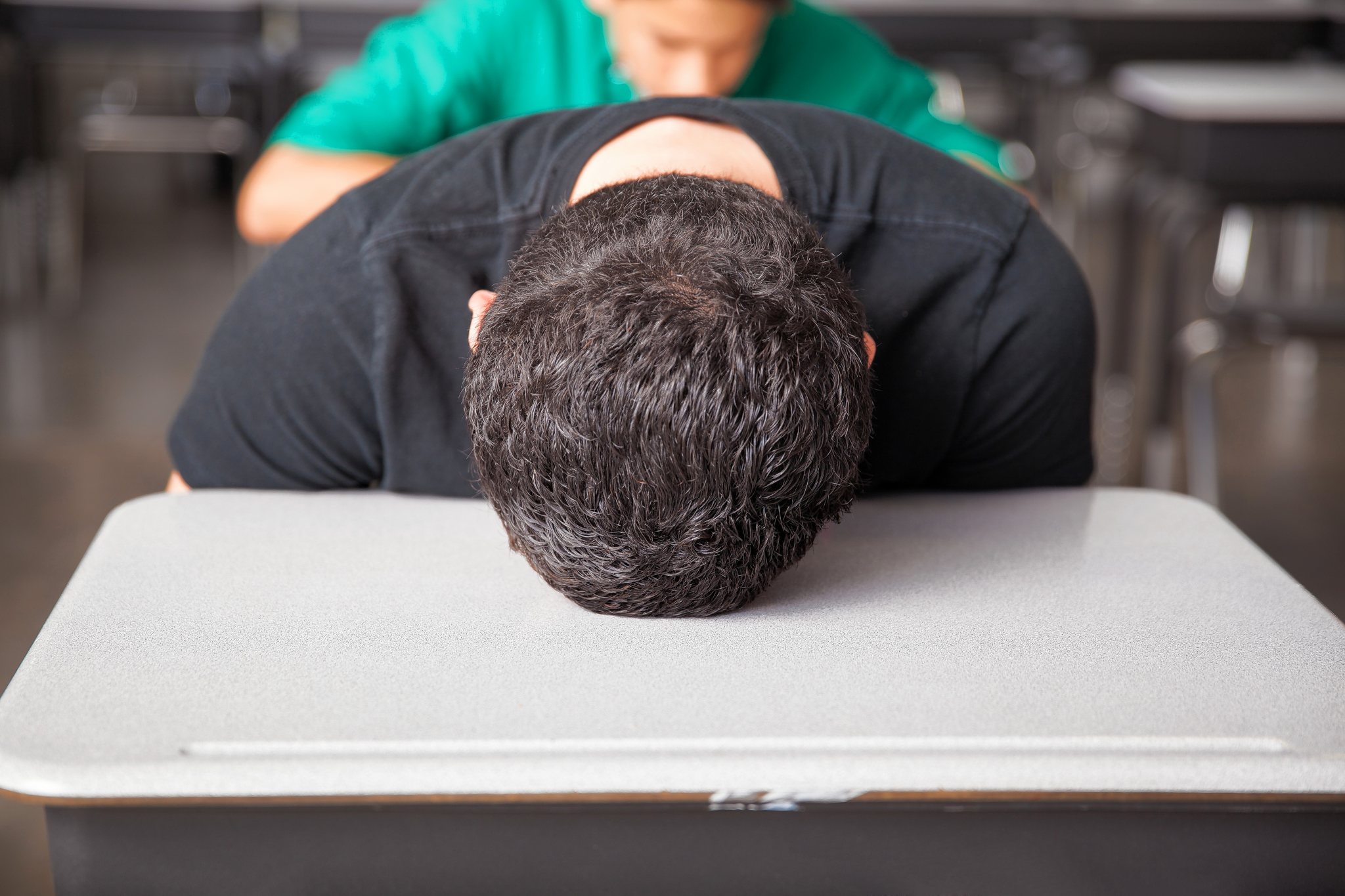


Going back to school may be met with hesitation as students realize it’s the end of summer fun.
But for some, going to school also may be met with anxiety.
Will I be able to open the combination lock?
Will I get my folders and books in time to get to my next class?
Will I be able to handle the homework load?
Will these people like me?
For students entering middle school and high school, this can be a big transition. But it doesn’t have to feel daunting. Students and their parents can welcome this year as a new opportunity filled with independence, learning and new friends.
To help, we got some advice from two people who have seen many students make the transition successfully. They are Dan McCuistion, dean at Palombi Middle School in Lake Villa, and Paul Kelly, principal at Elk Grove High School. Here are their tips.
• Keep a good attitude about school. Like most everything in life, you get out of it what you put into it; so stay focused and work hard every day.
• Don’t be a procrastinator. Putting things off until the last minute will only cause you unnecessary stress. On top of that, the work you do will probably not be your best.
• Be organized. Keep an orderly locker, backpack, and work space at home, which will help make life less stressful and allow you to manage time and complete assignments.
• Get a good night’s sleep during the school week. The biggest shock for most students is the earlier start time. Students also should start working on their sleep schedule the early part of August to get ready for that first day of school.
• Get involved in something that interests you and makes you excited about being a part of your school. Your school has many activities and athletic opportunities. Being involved makes school a more welcoming place.
• Turn off electronics. One of the most important non-academic aspects of school is learning how to communicate with others. This doesn’t mean how fast you can Tweet, Snapchat, Facebook, Instagram, etc. Technology is a wonderful tool, but it is becoming a detriment to young people learning how to talk with one another.
Most importantly, students are not learning how to deal with conflict and end up getting involved in social media bullying, hallway drama and rumor milling. This doesn’t make for a good environment at school and can cause undue stress and anxiety for students possibly leading to them not wanting to come to school.
Turn off your electronic devices; set a time every day where you work without the distraction of a buzzing phone. Leave them turned off and out of your bedroom when you go to sleep. Doing this will help you develop good study habits, good sleep habits and will help you develop good communication skills.
• Establish a positive digital presence. Consider creating a professional Twitter account where you post positive messages and experiences.
• Treat others as you would want them to treat you. This goes for your peers and adults. Students who are respectful to teachers have an advantage over those who get in trouble.
Teachers will always work extremely hard with difficult students. Yet, when those challenging students are begging for an extension on a project or homework assignment because they didn’t get around to doing it, do you think the teacher is going to give them extra time to complete it?
Being respectful to your teachers will go a long way to helping you be successful in school.
• Do not hesitate to ask for help. No matter your previous experiences with school, you may experience some challenges. For the first time, teachers will expect you to step up for yourself. However, they are also are eager to help you. Don’t be afraid to advocate for yourself when you need help.

