


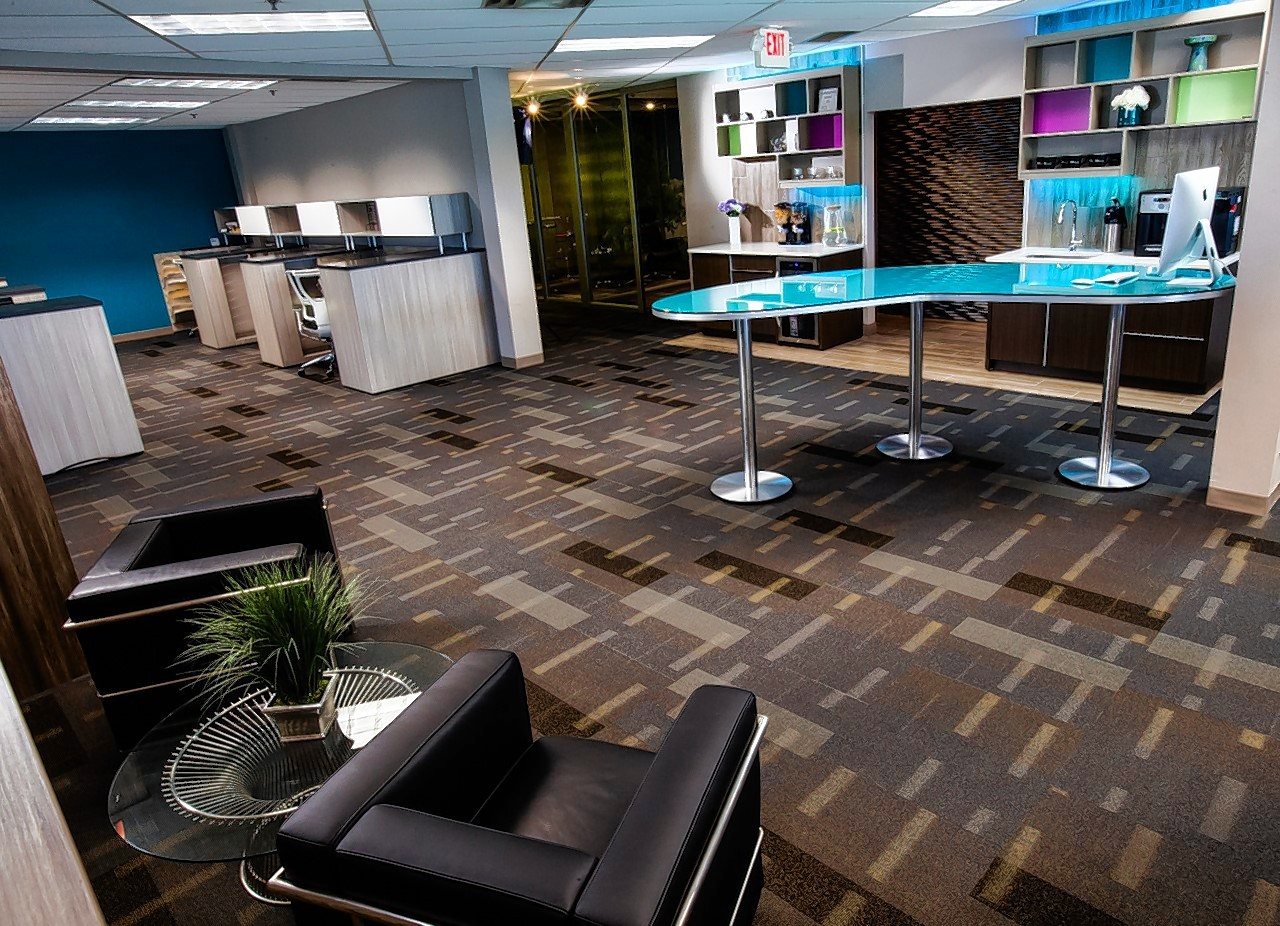
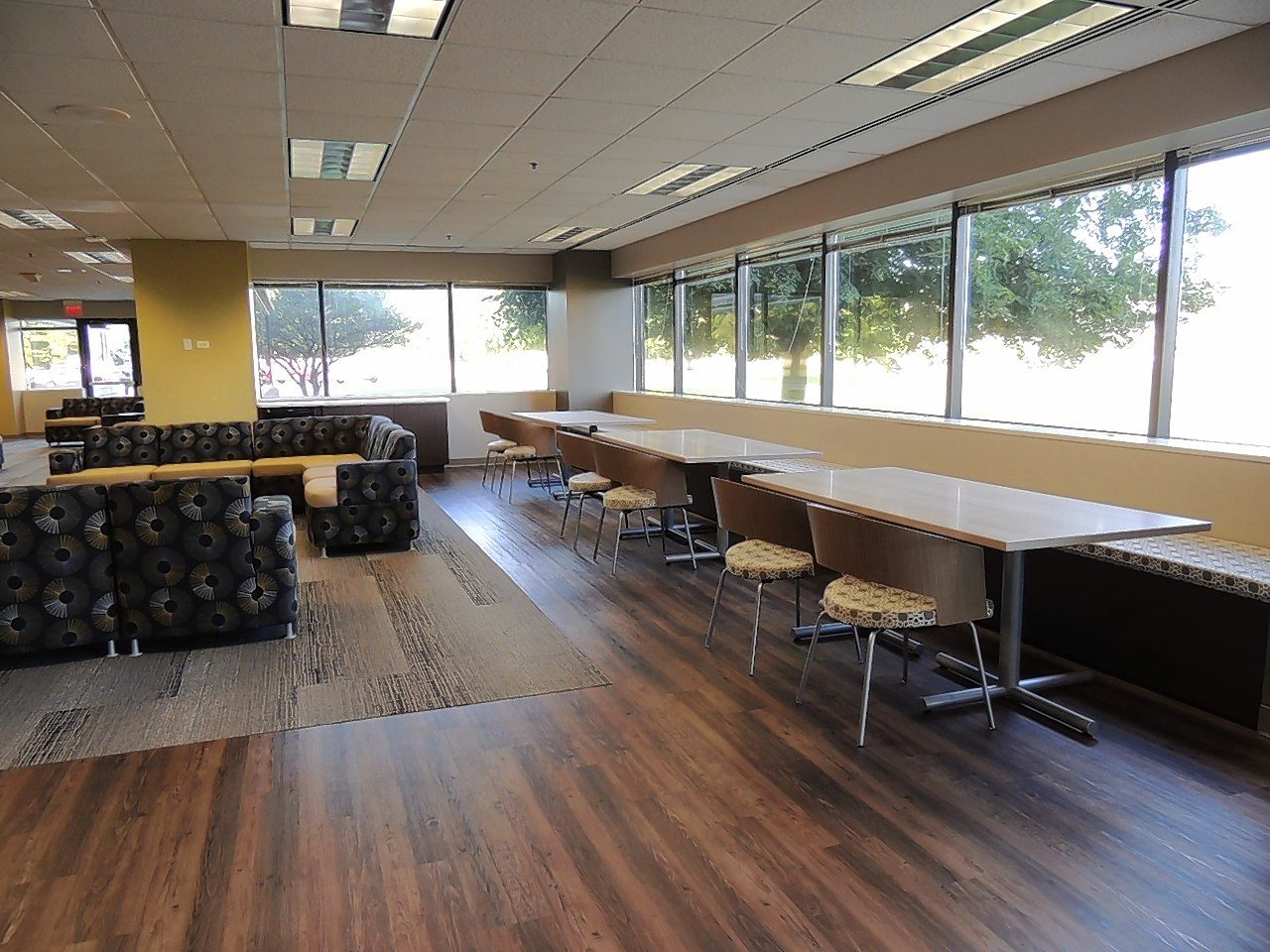


There needs to be a relationship between workplace design, the work that takes place and the personalities of the employees, experts say.
Scientists, for example, require a different type of work space than those who develop advertising campaigns or analyze spreadsheets.
The goal in each instance is to create a workspace that is conducive to productivity and, in some cases, creativity. And while many individual workers prefer a smaller, private office situation
over a large open environment, many companies must accommodate more workers in the same space and are seeking higher density, said Mike Warren, Workplace Culture Consultant for Rieke Office Interiors of Elgin.
“Our job is to make everyone comfortable in whatever activity they are doing at a given time,” Warren said.
“So we are designing offices with more small meeting rooms, one-person call rooms for private phone calls and heads down work like proofing a document and even secluded cubicles for those who don’t want distracting visual stimulation,” he said.
Because employees are no longer tethered to a particular workspace, they are booking different spaces throughout the day. “Workers are moving around more because technology has evolved to allow them to take their laptop, tablet, phone or even a pad of paper anywhere they want to work — even outside,” Warren said. “The best office designs are developed when the designers are able to communicate with workers in the different departments before they begin the design — through questionnaires or focus groups or just from walking around,” he said.
Even though designers are planning these different types of segregated spaces, they need to keep in mind that during the majority of each day, there are probably many people working at their desks in cubicles within a large open space. So measures also need to be taken to muffle and contain noise.
“Noise within an office is very subjective. What bothers one person will not bother the next,” Warren said. “Acousticians can be called in to do an evaluation.” Once the severity of the problem is ascertained, there are many types of remediation. You can install a white noise machine in the ceiling which simulates the sound of an air conditioner and muffles sounds.
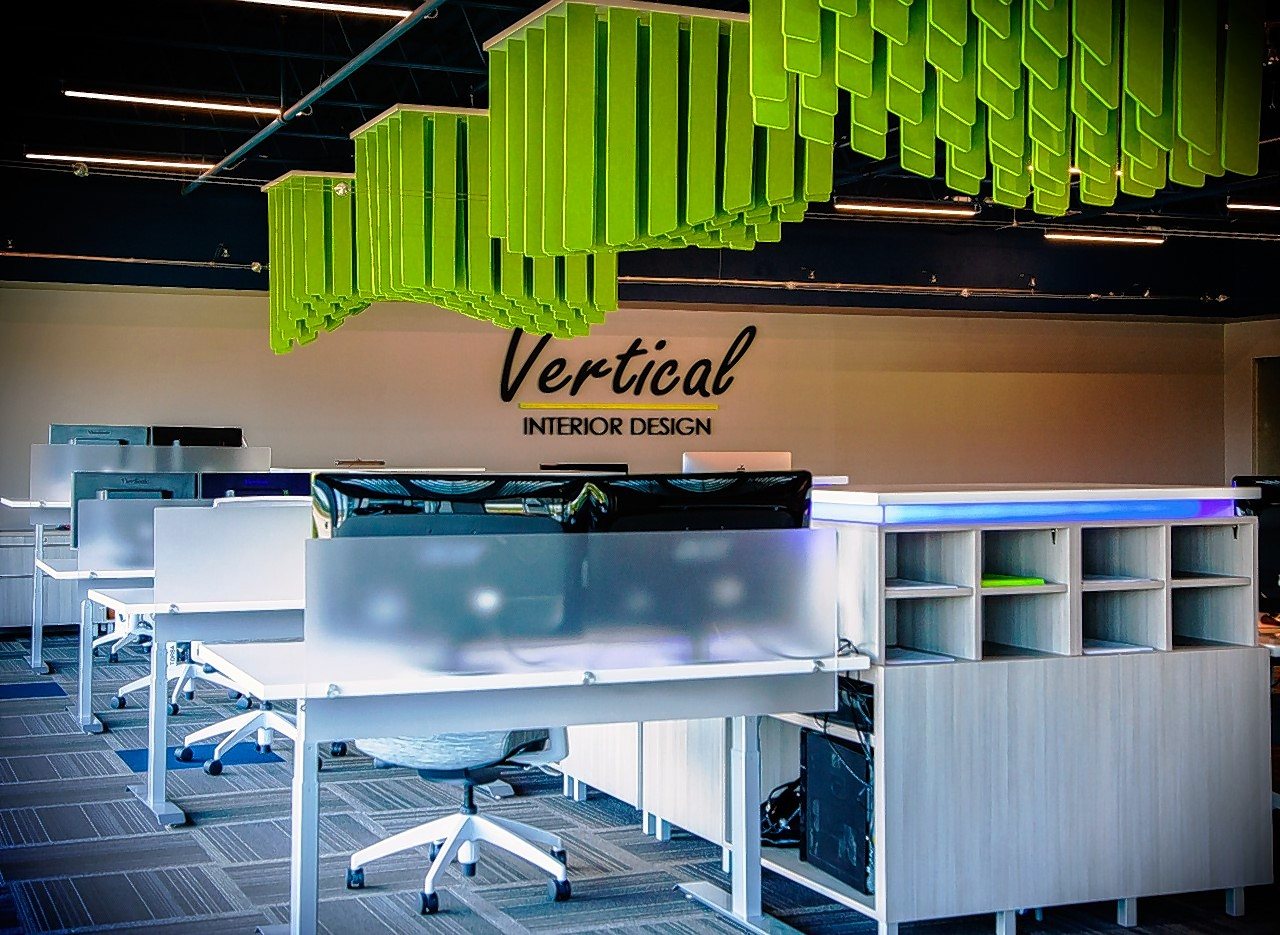
“Turf” felt-covered acoustical panels for walls and ceilings can also be added to absorb sound. They are generally made in bright colors and interesting shapes to not only muffle noise but also to add visual interest to the workspace. Finally, the Sonos wireless speaker system can allow low-volume music to be easily piped into an office space. Quiet background music is great for distracting workers from their neighbors’ conversations, Warren said.

