


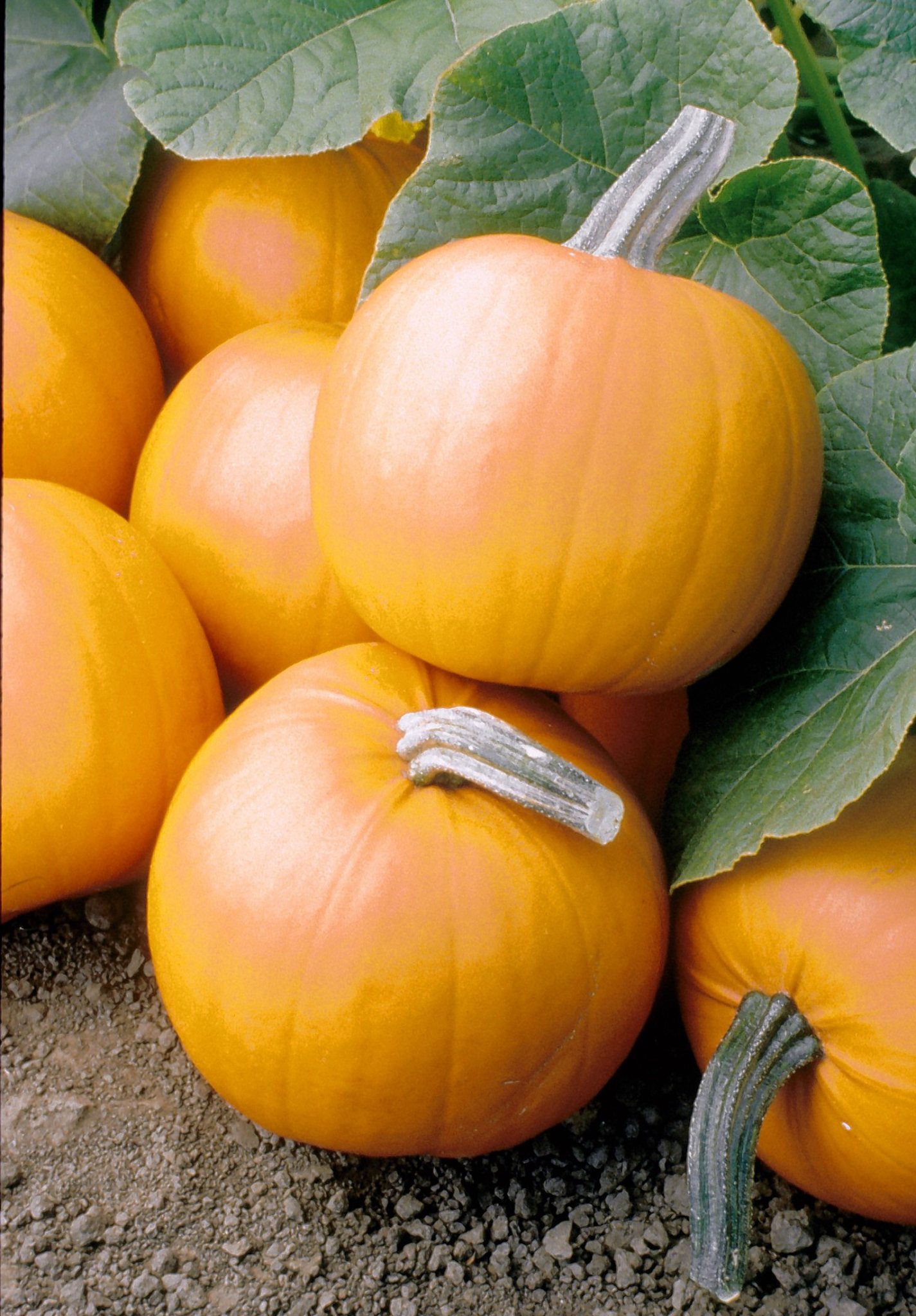


If you grow pumpkins or squash in your Midwest garden, no doubt you’ve seen squash bugs.
The adults are dark brown with flat backs. They measure a bit more than a half-inch long and one-third of an inch wide. If you crush one of the bugs, you smell a most unpleasant odor.
Their eggs are brick red, laid in clusters on the underside of squash or pumpkin leaves. They hatch into young squash bugs, called nymphs, which are silver-gray. They often congregate in hordes.
Squash bugs can literally suck the life out of squash and pumpkin plants. Shoots die. Vines may fail to produce. No wonder some gardeners have given up growing winter squash and pumpkins because the bugs often seem to win.
Sound familiar? Then now is an excellent time to get a head start on fighting back. Clean up the spent squash vines, yes. But leave a few of the immature fruits on the ground. Adult squash bugs, which overwinter under plant debris, will congregate there.
Every few days, pick up the immature fruits and look underneath. Chances are good you’ll find squash bugs there. Just crush them or, if you’d rather not, knock them into a pail of hot soapy water.
A little autumn cleanup goes a long way toward controlling other garden problems, too. If asparagus beetles routinely feed on the asparagus spears in your garden, remove all the dead foliage at ground level before winter to deprive the adult beetles a place to hibernate in your garden.
• If grasshoppers have been a problem, cultivate the garden in late fall to disrupt overwintering eggs.
• Remove crop residues to
eliminate adult cucumber beetles’ favored spots for winter protection.
• Clean up debris from tomato vines to help control fungus diseases such as septoria leaf spot and early blight.
• Make sure to harvest all potato tubers, no matter how small, to deprive late blight of a place to spend the winter.
• After rhubarb dies to the ground, remove all the dead foliage. This single step helps control crown rot, leaf spot, anthracnose and verticillium wilt in rhubarb. Follow with a layer of compost, topped off with fresh mulch.
• Remove dried-up fruits, or mummies, from grape vines to help combat black rot. Do the same for cherry mummies, which can harbor black rot and leaf spot diseases. Autumn cleanup is also an important first line of defense against apple scab, the most serious disease of apples in our region.
• Also rake up dead leaves and twigs under fruit trees and grape vines.
• Write to Jan Riggenbach at 2319 S. 105th Ave., Omaha, NE 68124. Please enclose a self-addressed, stamped envelope. Find more online at www.midwestgardening.com.

