




For years, teachers wanting to introduce their students to new cultures or children living in faraway lands would sign up for a pen pal service.
Now, students are using technology to quickly connect with their peers on the other side of the world, and at an even younger age.
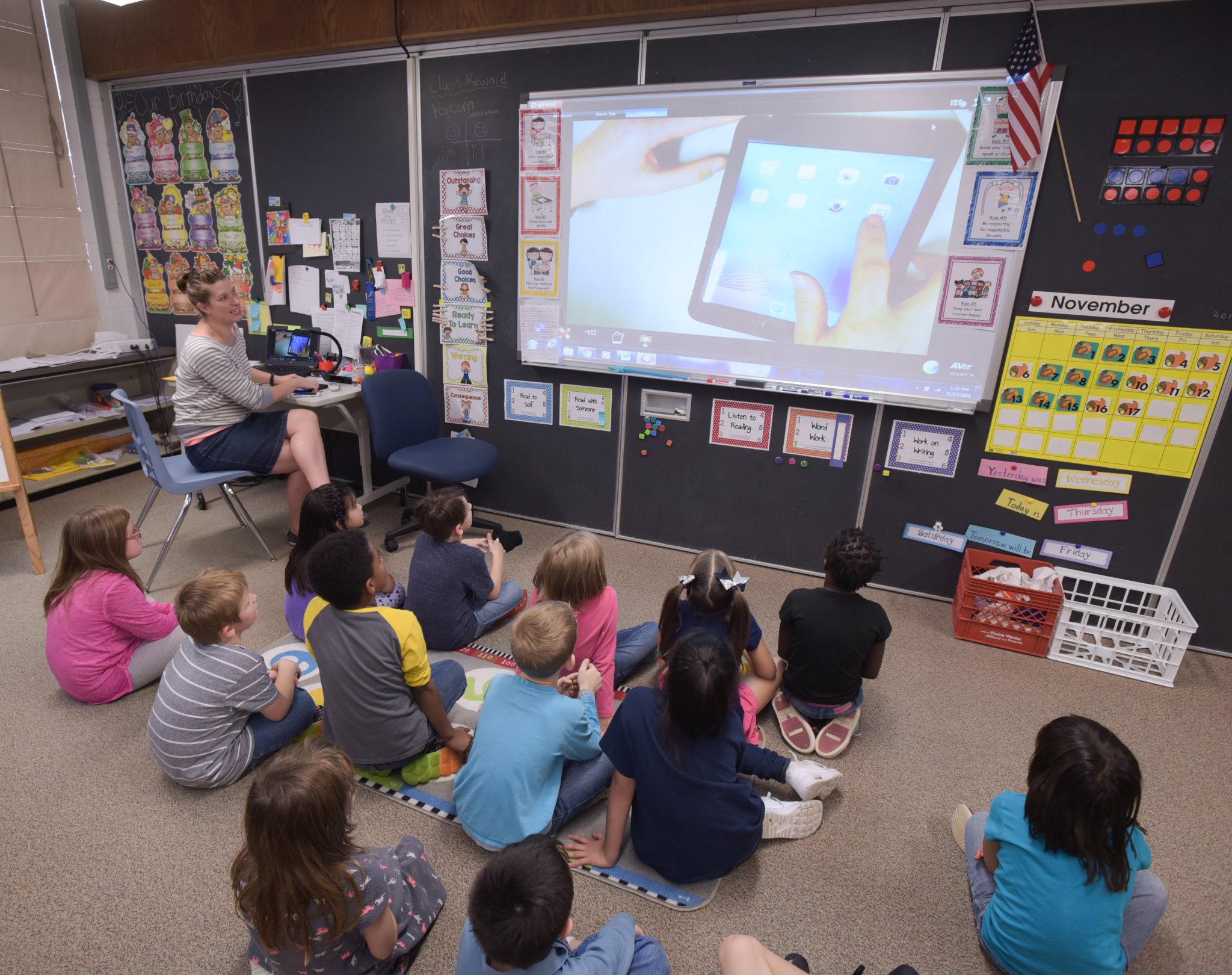
First-graders in Emily Phamornsuwana’s class at Indian Knoll Elementary School in West Chicago had the opportunity this year to read the same six books as students attending Global English School in Thailand, where Phamornsuwana taught about 15 years ago.
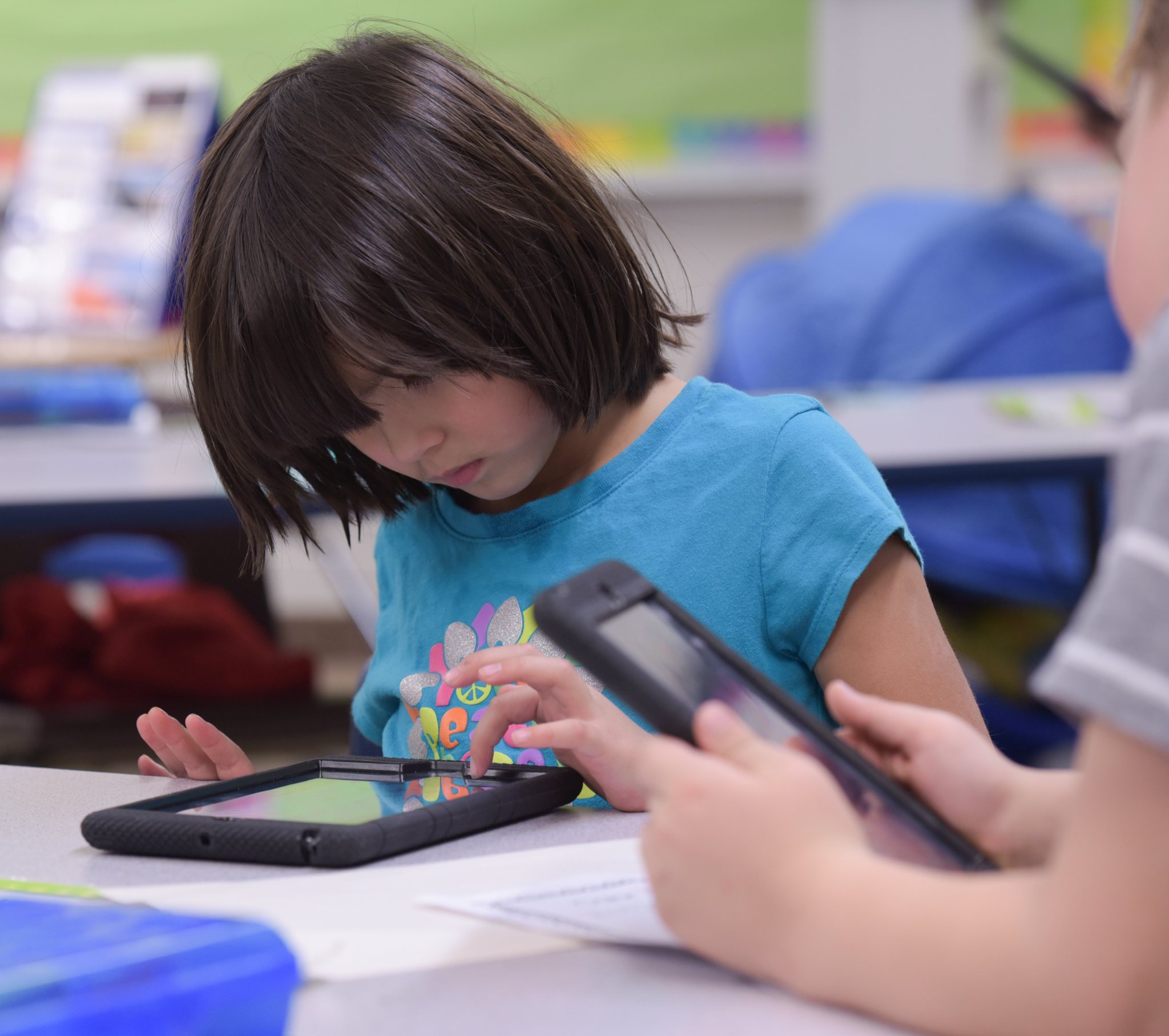
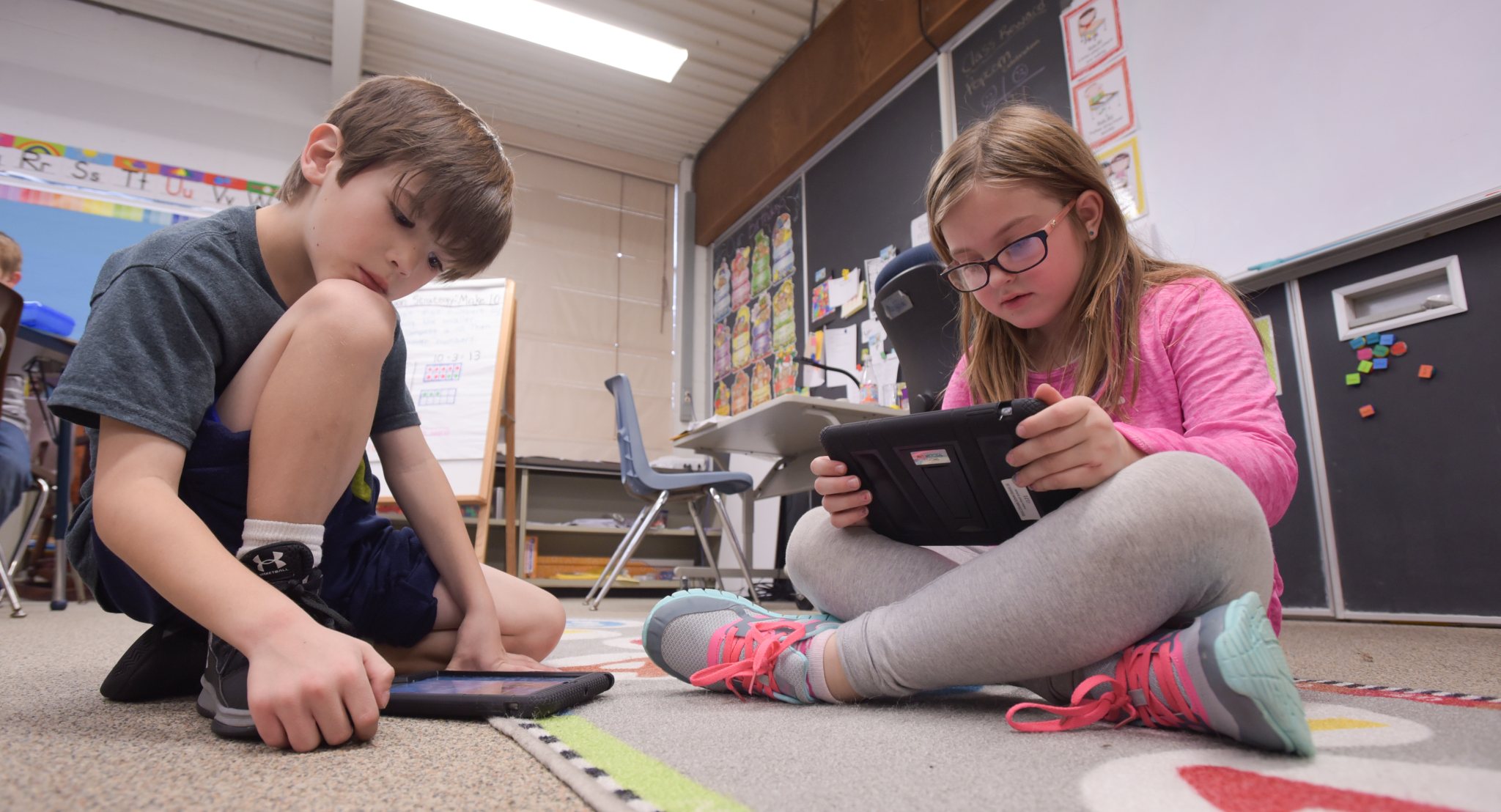
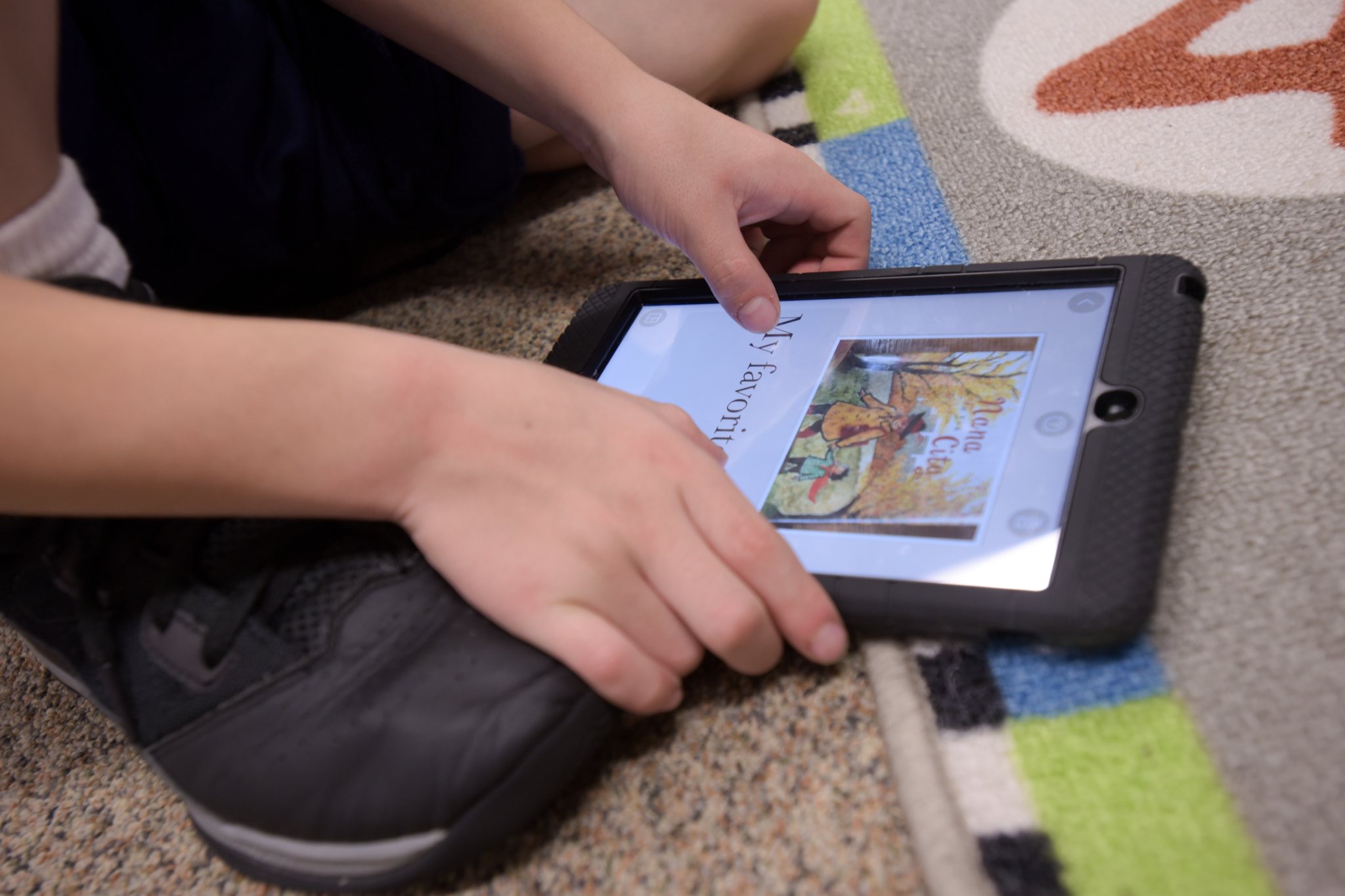
After reading each book, the Indian Knoll students would do a project on their iPads to share with the Thai students. One week, they used an app called Seesaw to draw a picture related to one of the books they read and then sent it to their foreign friends. Another week, they used an app called VoiceThread to record themselves reading a page of that week’s book aloud.
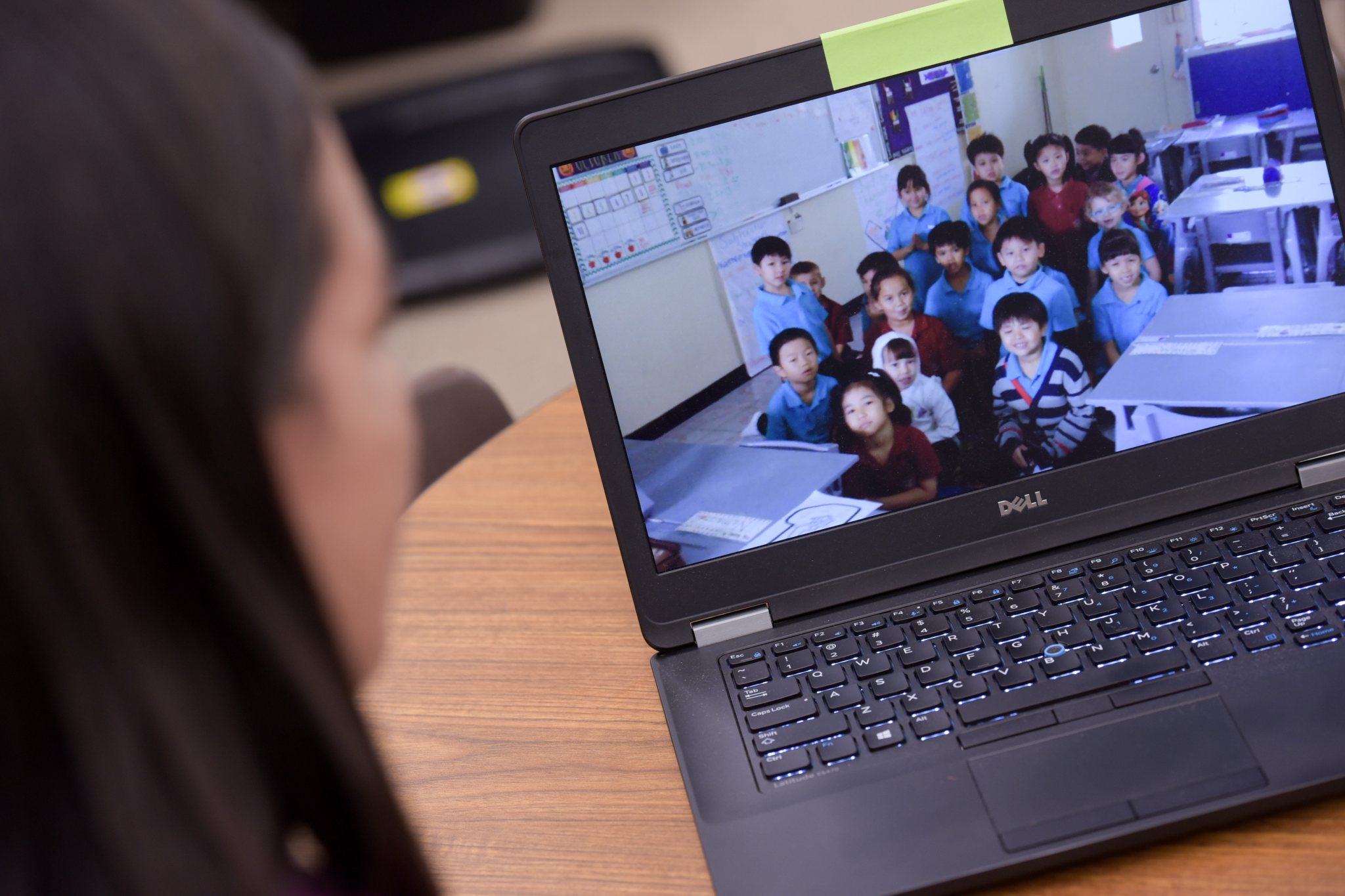
In return, they would get videos of the entire Thai classroom saying hello or asking a question in English and Thai.
“They were really excited and just amazed that we can talk to people across the world, especially other first-graders,” Phamornsuwana said. “It’s a great opportunity for students to be aware of other countries and just to know you can have that connection across the world, you can connect with other students somewhere else, whether it be just another state or another country.”
The six-week interaction was part of Global Read Aloud , an international reading project launched by a Wisconsin teacher in 2010. Every year, classrooms around the world connect by selecting a book, or several books, that teachers read aloud to students. The scope and depth of each classroom’s involvement in Global Read Aloud varies, but the ultimate goal is to use the book to connect to students in other parts of the world.
Phamornsuwana said there was another teacher at Indian Knoll who participated in the program but connected with three classrooms in the western United States. The advantages of that, she said, were that the kids were able to talk via Skype during the school day.
“It definitely encourages a world view,” said Taryn Tenhor, the lead teacher for technology in West Chicago Elementary District 33. “They’re not just in West Chicago, it’s not just us in the world. There are other kids in other places doing the same thing we are. I think the fact that these kids (in Thailand) couldn’t directly communicate with them, because of the time difference, added to that.”
In addition, it introduces those concepts at a younger age, as the first-graders aren’t proficient enough at writing yet to send letters to other students. The technology allows them to express themselves orally instead. Phamornsuwana and Tenhor agreed that other benefits of the program include the promotion of literacy and technology use.
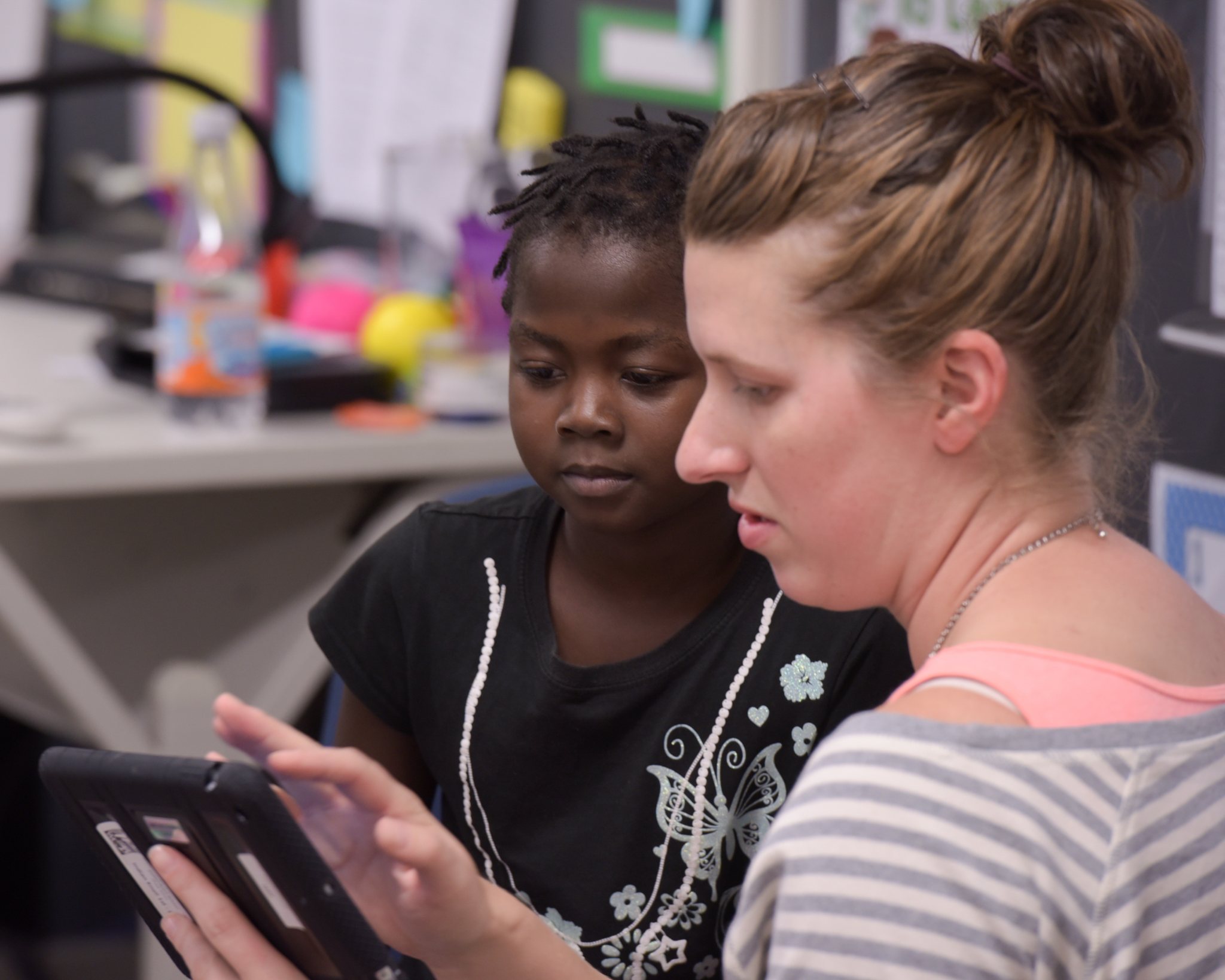
“Most of them use technology for games at home,” Tenhor said. “Here, it’s a learning piece. We want them to be able to use it for a learning experience rather than just playing.”

