


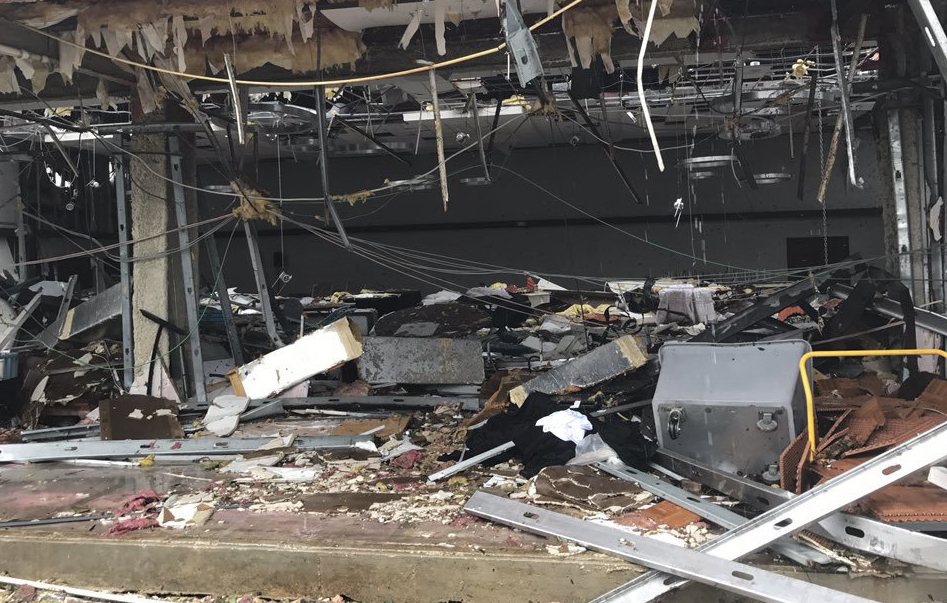
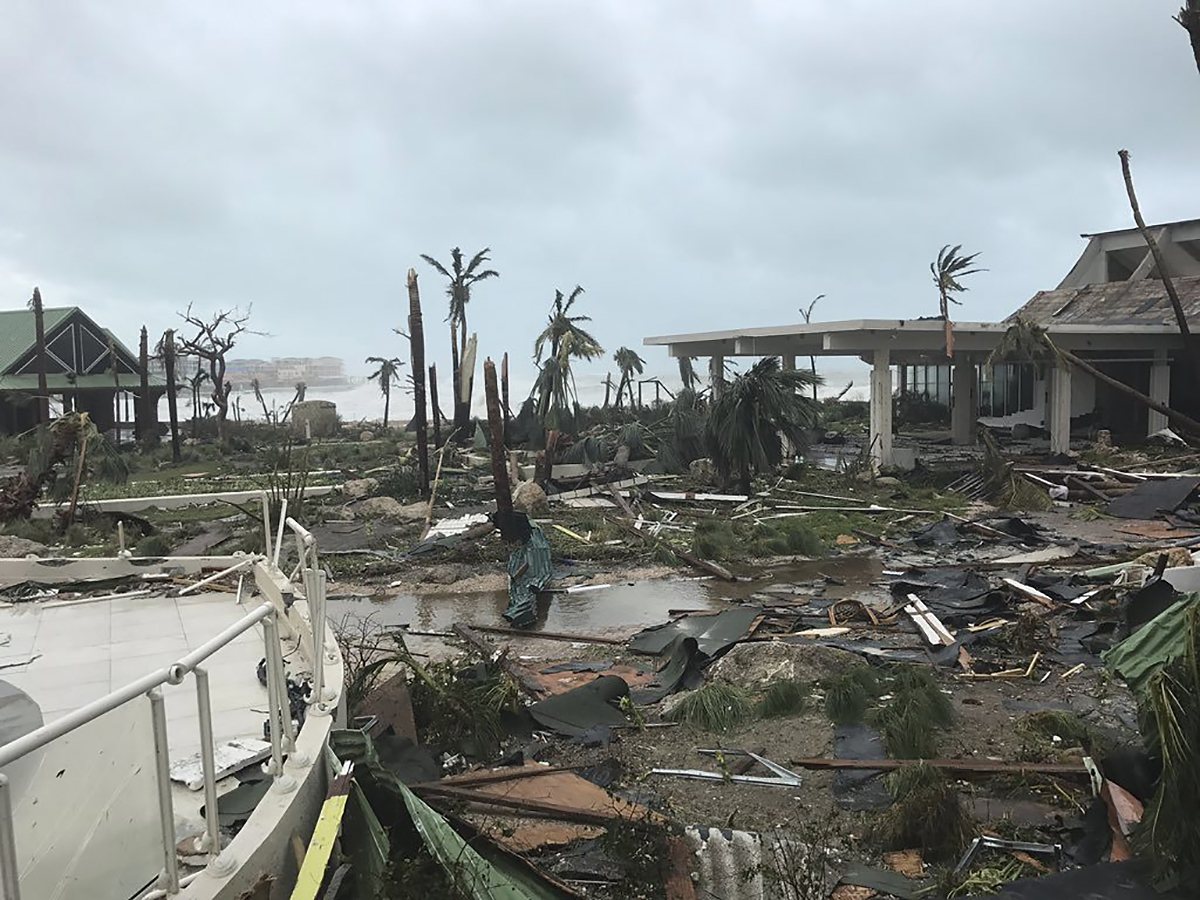
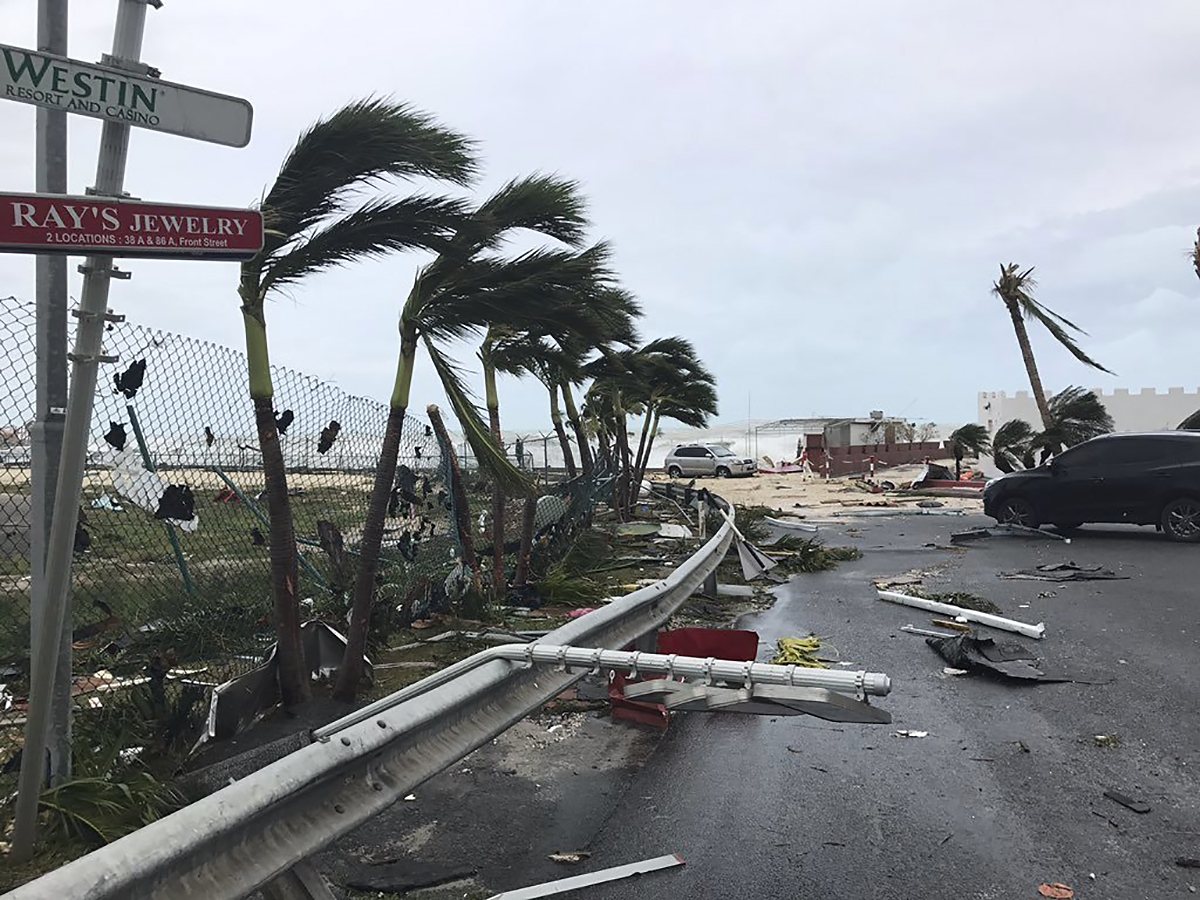
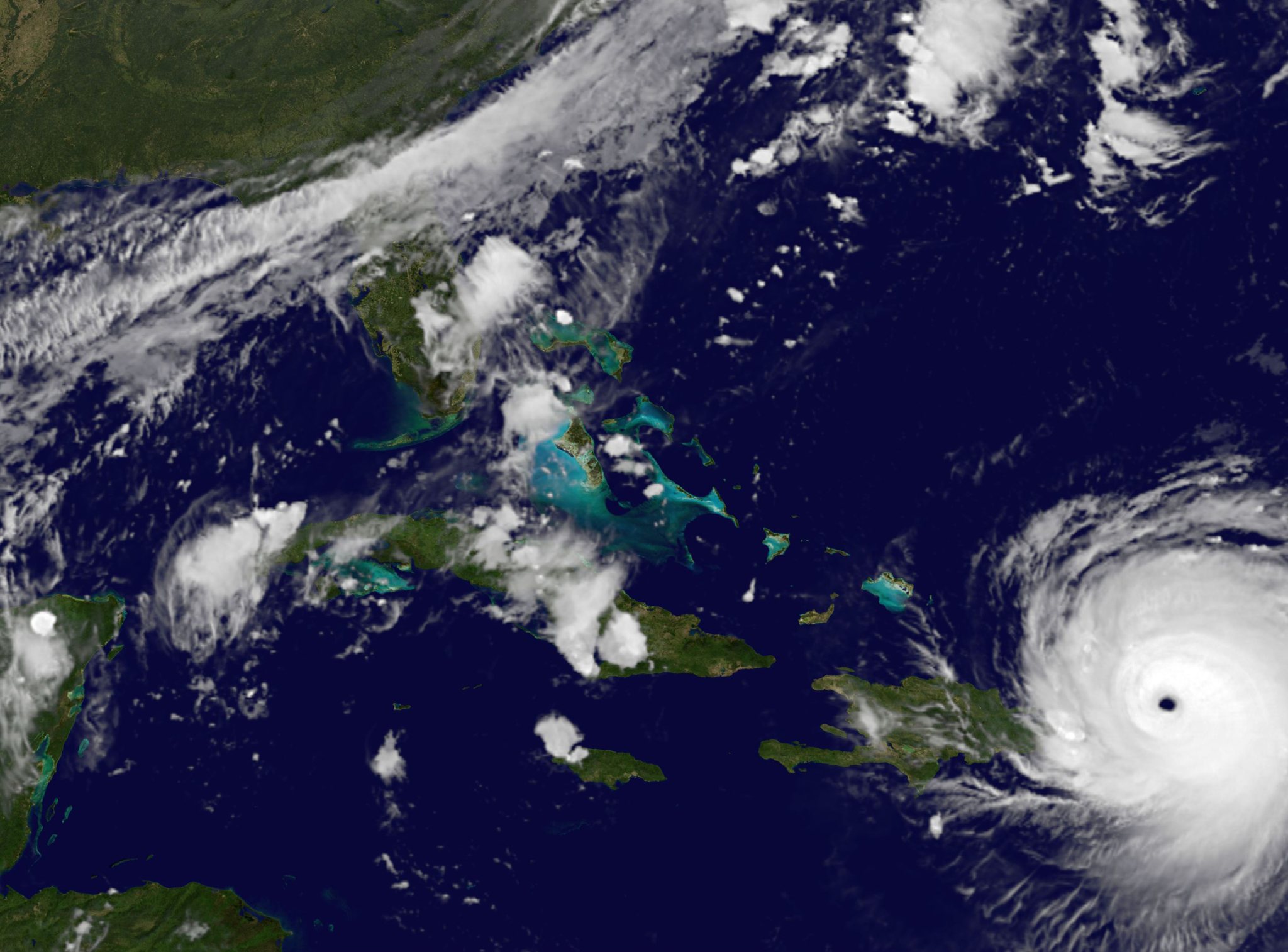


PORT-AU-PRINCE, Haiti — The fearsome Category 5 Hurricane Irma has laid waste to some of the world’s most beautiful and exclusive tourist destinations in the Caribbean.
And now it’s still headed toward Florida — right at the Miami area, forecasters said Thursday.
French, British and Dutch warships and planes rushed food, water and troops to the devastated string of Caribbean islands Thursday after Irma left at least 11 people dead and smashed homes, schools and roads, leaving thousands homeless.
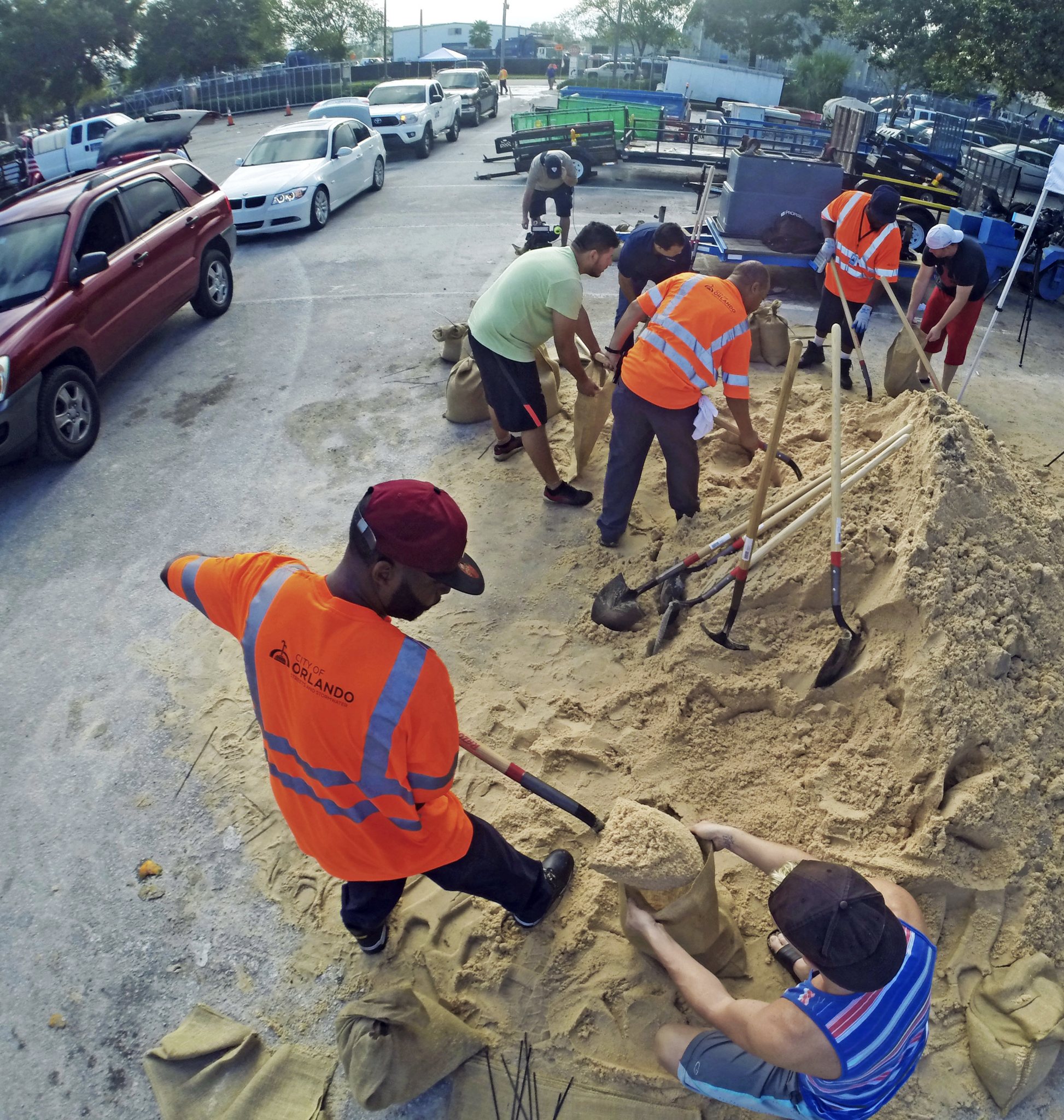
Hundreds of miles to the west, Florida braced for the onslaught, with forecasters warning that Irma could slam headlong into the Miami metropolitan area of 6 million people, punish the entire length of the state’s Atlantic coast and move into Georgia and South Carolina starting this weekend.
More than a half-million people in Miami-Dade County were ordered to leave as Irma closed in with winds of 175 mph.
“Take it seriously, because this is the real deal,” said Maj. Jeremy DeHart, a U.S. Air Force Reserve weather officer who flew through the eye of Irma at 10,000 feet.
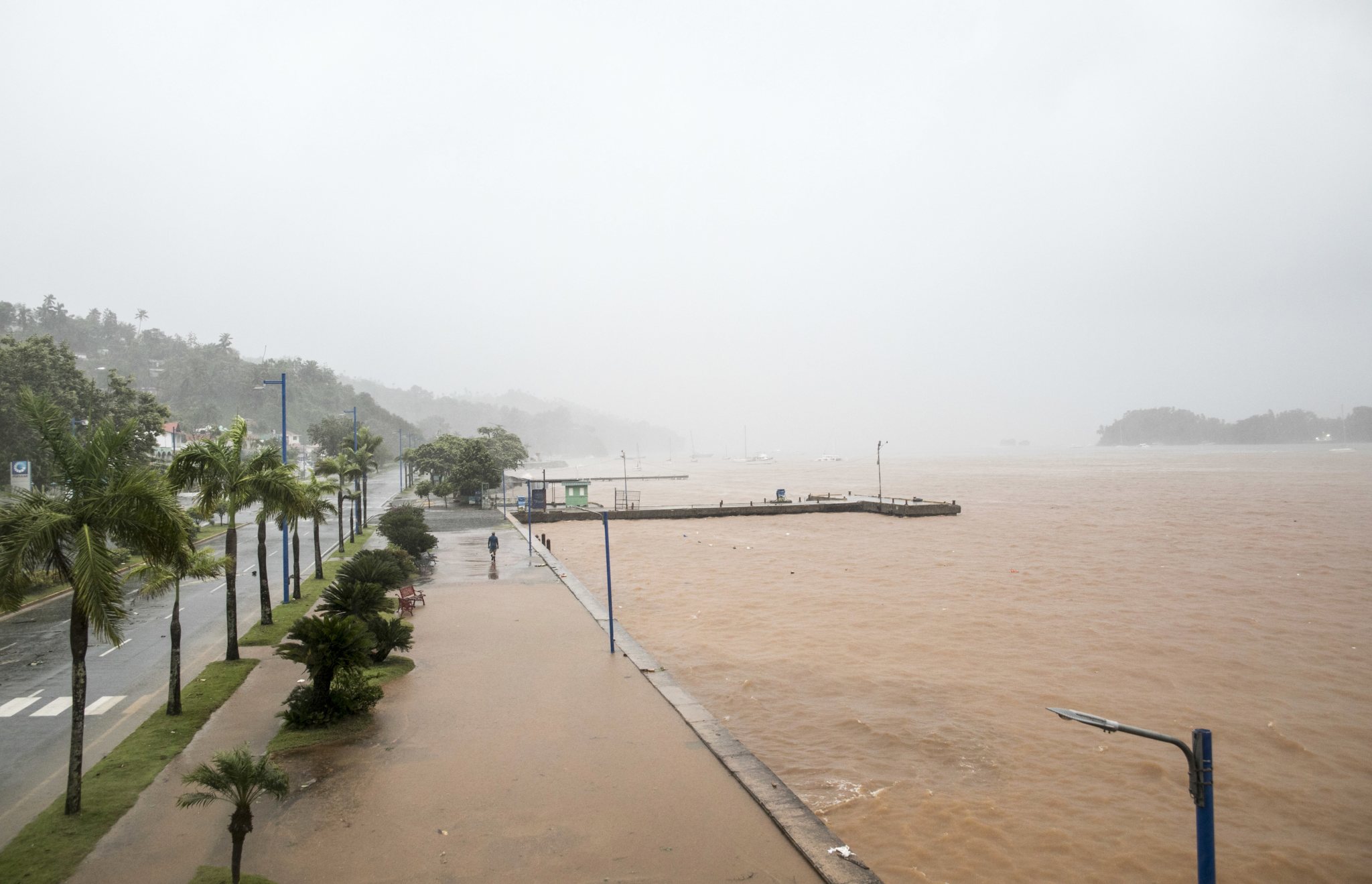
The hurricane was still north of the Dominican Republic and Haiti on Thursday evening, sweeping the neighboring nations on Hispaniola island with high winds and rain while battering the Turks and Caicos Islands on its other side.
And Irma is not the only show in town. Two other menacing hurricanes, Jose and Katia, were swirling in the Atlantic Ocean basin and forecast to strengthen and hit land areas late Friday into the weekend.
Jose, which formed as a tropical storm on Wednesday, was intensifying in the eastern Atlantic, following Irma on a similar path. While it is expected to curve to the north out to sea well before reaching the United States, it could pass very close to the northern Leeward Islands as a major hurricane Saturday.
A hurricane watch was issued for Antigua and Barbuda, devastated by Irma on Tuesday night and Wednesday. Tropical storm watches were issued slightly farther west for Anguilla, Montserrat, St. Kitts, Nevis, Saba and St. Eustatius — areas less likely to be seriously affected.
Farther out in the Atlantic, Hurricane Jose strengthened into a Category 3 storm with 120 mph winds and posed a potential threat for Saturday to some of the same islands ravaged by Irma.
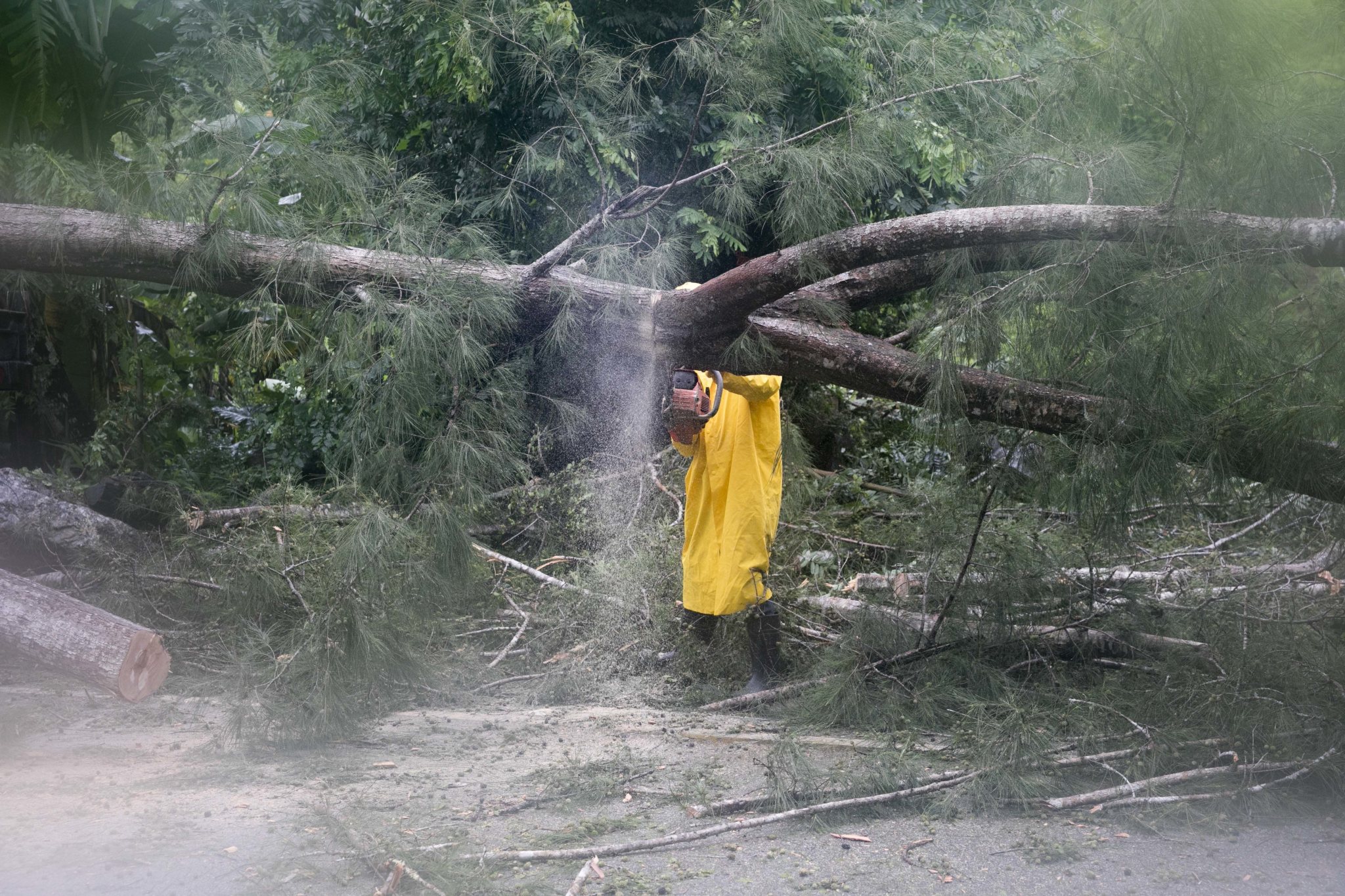
From Irma, big waves smashed a dozen homes into rubble in the Dominican fishing community of Nagua, but work crews said all the residents had left before the storm. Officials said 11,200 people in all had evacuated vulnerable areas, while 55,000 soldiers had been deployed to help the cleanup.
In Haiti,there were no immediate reports of deaths. Officials warned that could change as Irma continued to lash Haiti, where deforested hillsides are prone to devastating mudslides that have wiped out entire neighborhoods of precariously built homes in flood zones.
“We are vulnerable. We don’t have any equipment to help the population,” Josue Alusma, mayor of the northern city of Port de Paix, said on Radio Zenith FM.
About a million people were without power in Puerto Rico after Irma sideswiped the island overnight, and nearly half the territory’s hospitals were relying on generators. No injuries were reported.
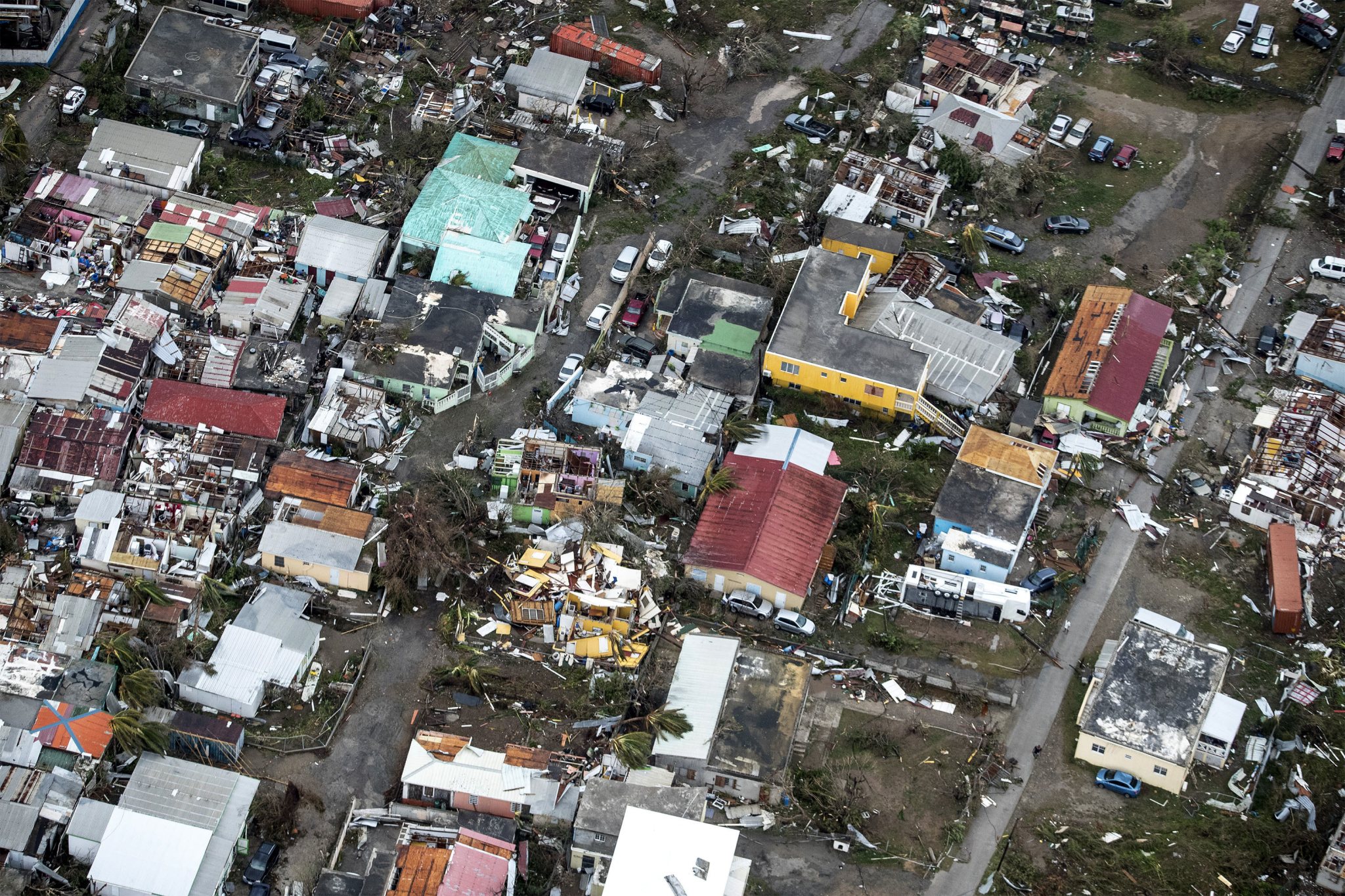
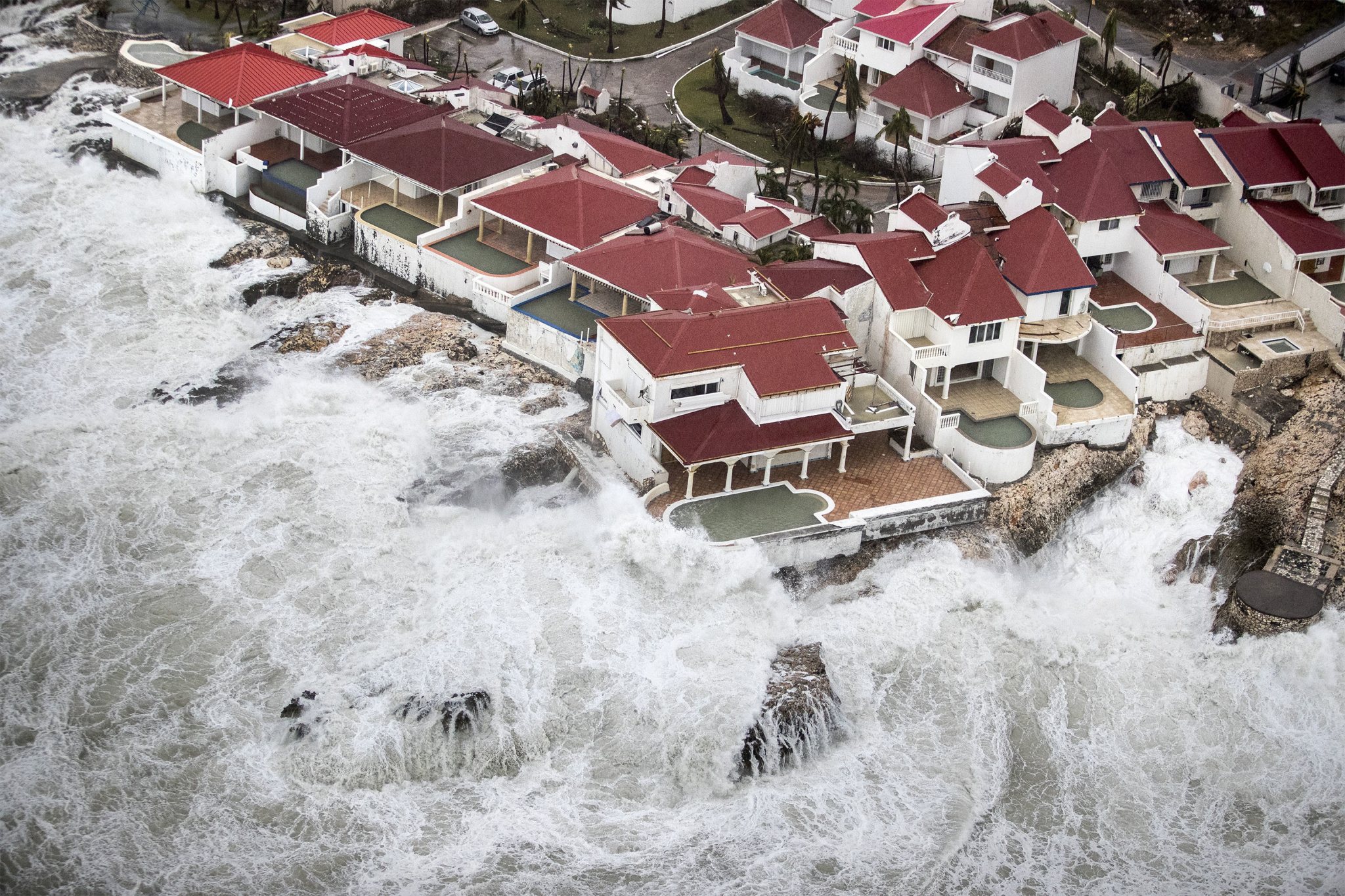
The first islands hit by the storm were scenes of terrible destruction.
French Prime Minister Edouard Philippe said four people were confirmed dead and about 50 injured on the French side of St. Martin, an island split between Dutch and French control, where homes were splintered and road signs scattered by the fierce winds.
The cafes and clothing shops of the picturesque seaside village of Marigot were submerged in brown floodwaters, and people surveyed the wreckage from whatever shelter they could find. The toll could rise because rescue teams had yet to get a complete look at the damage.
At least four people were killed in the U.S. Virgin Islands, and officials said they expected to find more bodies. Authorities described the damage as catastrophic and said crews were struggling to reopen roads and restore power.
Three more deaths were reported on the British island of Anguilla, as well as Barbuda and the Dutch side of St. Martin.
Irma also slammed the French island of St. Barts, tearing off roofs and knocking out electricity in the high-end tourist destination.
French Interior Minister Gerard Collomb said 100,000 food rations were sent to St. Barts and St. Martin, the equivalent of four days of supplies.
“It’s a tragedy. We’ll need to rebuild both islands,” he said. “Most of the schools have been destroyed.”
Dutch Prime Minister Mark Rutte said the storm “caused wide-scale destruction of infrastructure, houses and businesses.”
“There is no power, no gasoline, no running water. Houses are under water, cars are floating through the streets, inhabitants are sitting in the dark in ruined houses and are cut off from the outside world,” he said.
In the U.S. Virgin Islands, Gov. Kenneth Mapp said the U.S. military was sending troops to aid relief efforts.
The primary focus for now is “making sure people have meals, water and shelter,” Mapp said. “An event of this magnitude is very chilling.”
The territory’s two islands were battered by 150 mph winds for four hours. Two fire stations, two fire police stations and the hospital on St. Thomas were destroyed.
A curfew was ordered for St. John and St. Thomas that also covered about 5,000 tourists who were unable to leave before the storm.
