Saudi Arabia has ways to hit back at 9/11 lawsuit effort
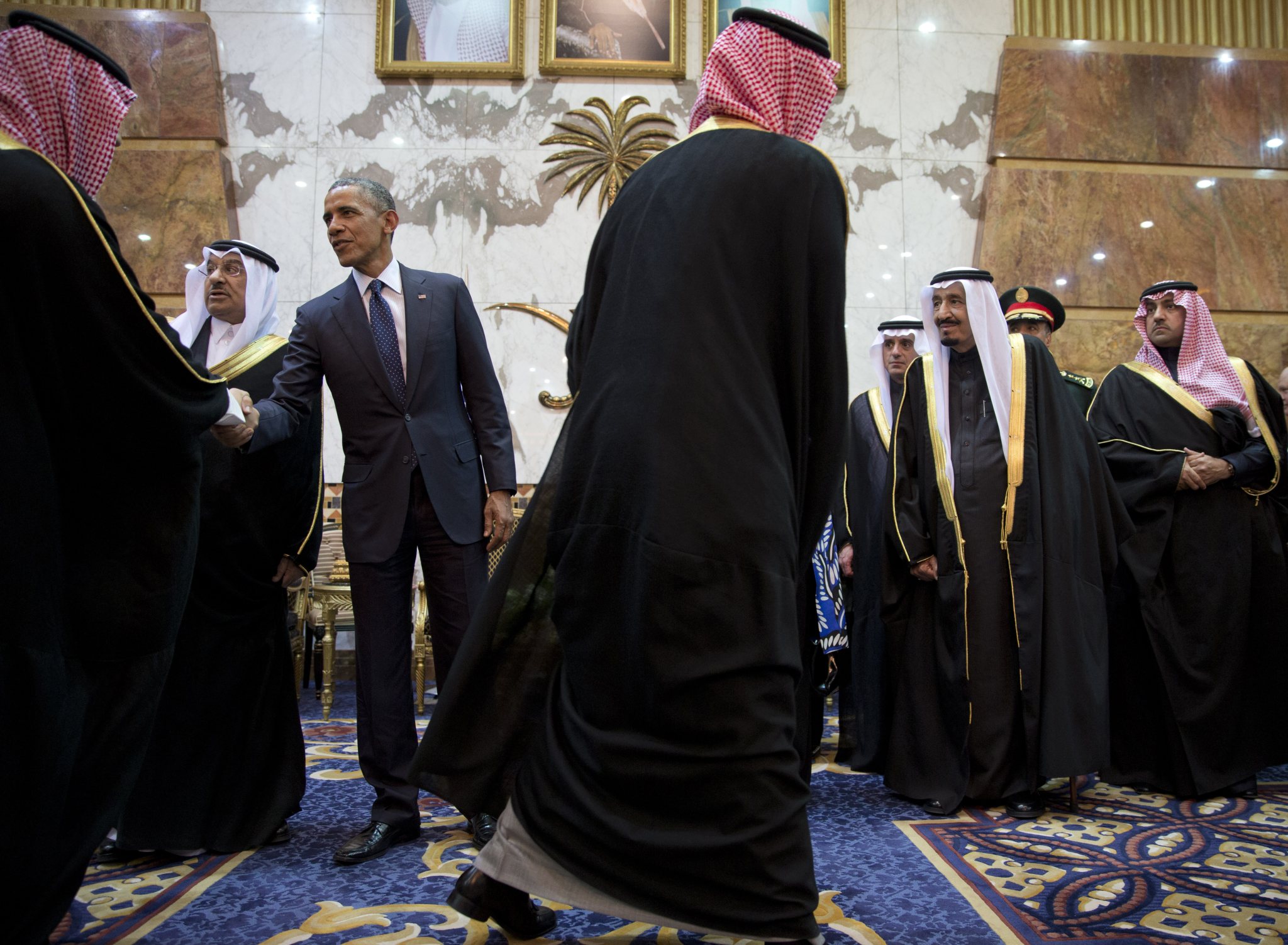
FILE- In this Jan. 27, 2015 file photo, President Barack Obama participates in a receiving line with the Saudi Arabian King, Salman bin Abdul Aziz, at Erga Palace in Riyadh, Saudi Arabia. Saudi Arabia and its allies are warning that legislation allowing the kingdom to be sued for the 9/11 attacks will have negative repercussions. The kingdom maintains an arsenal of tools to retaliate with, including curtailing official contacts, pulling billions of dollars from the U.S. economy, and enlisting its lockstep Gulf allies to scale back counterterrorism cooperation, investments and U.S. access to important regional air bases. (AP Photo/Carolyn Kaster, File)

FILE - In this Sept. 11, 2001 file photo, as seen from the New Jersey Turnpike near Kearny, N.J., smoke billows from the twin towers of the World Trade Center in New York after airplanes crashed into both towers. Saudi Arabia and its allies are warning that legislation allowing the kingdom to be sued for the 9/11 attacks will have negative repercussions. The kingdom maintains an arsenal of tools to retaliate with, including curtailing official contacts, pulling billions of dollars from the U.S. economy, and enlisting its lockstep Gulf allies to scale back counterterrorism cooperation, investments and U.S. access to important regional air bases. (AP Photo/Gene Boyars, File)
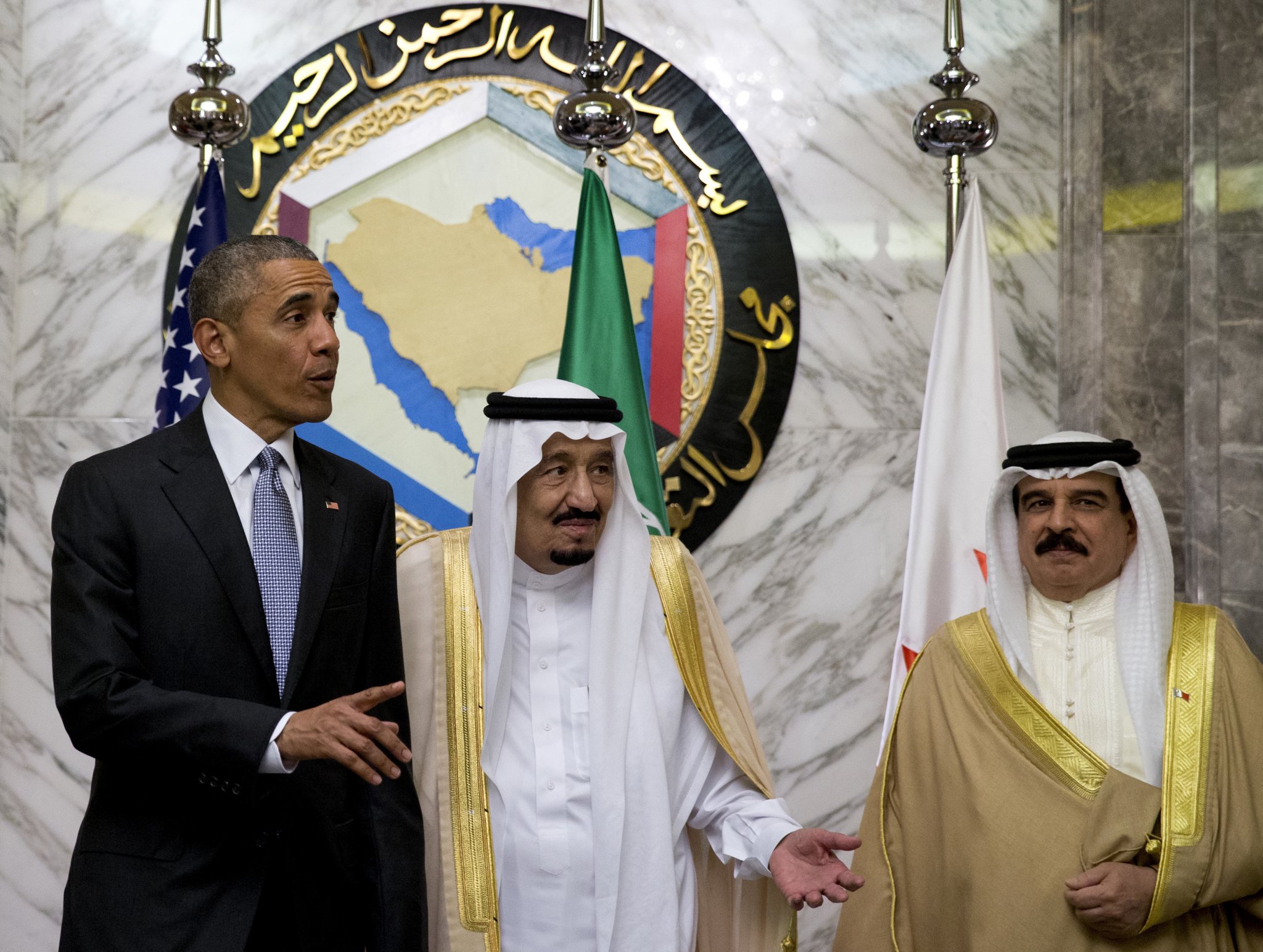
FILE- In this Thursday, April 21, 2016 file photo, from left, President Barack Obama, Saudi Arabia's King Salman, and Bahrain's King Hamad bin Isa al Khalifa participate in the Leaders Photo at the Diriyah Palace during the Gulf Cooperation Council Summit in Riyadh, Saudi Arabia. Saudi Arabia and its allies are warning that legislation allowing the kingdom to be sued for the 9/11 attacks will have negative repercussions. The kingdom maintains an arsenal of tools to retaliate with, including curtailing official contacts, pulling billions of dollars from the U.S. economy, and enlisting its lockstep Gulf allies to scale back counterterrorism cooperation, investments and U.S. access to important regional air bases.(AP Photo/Carolyn Kaster, File)
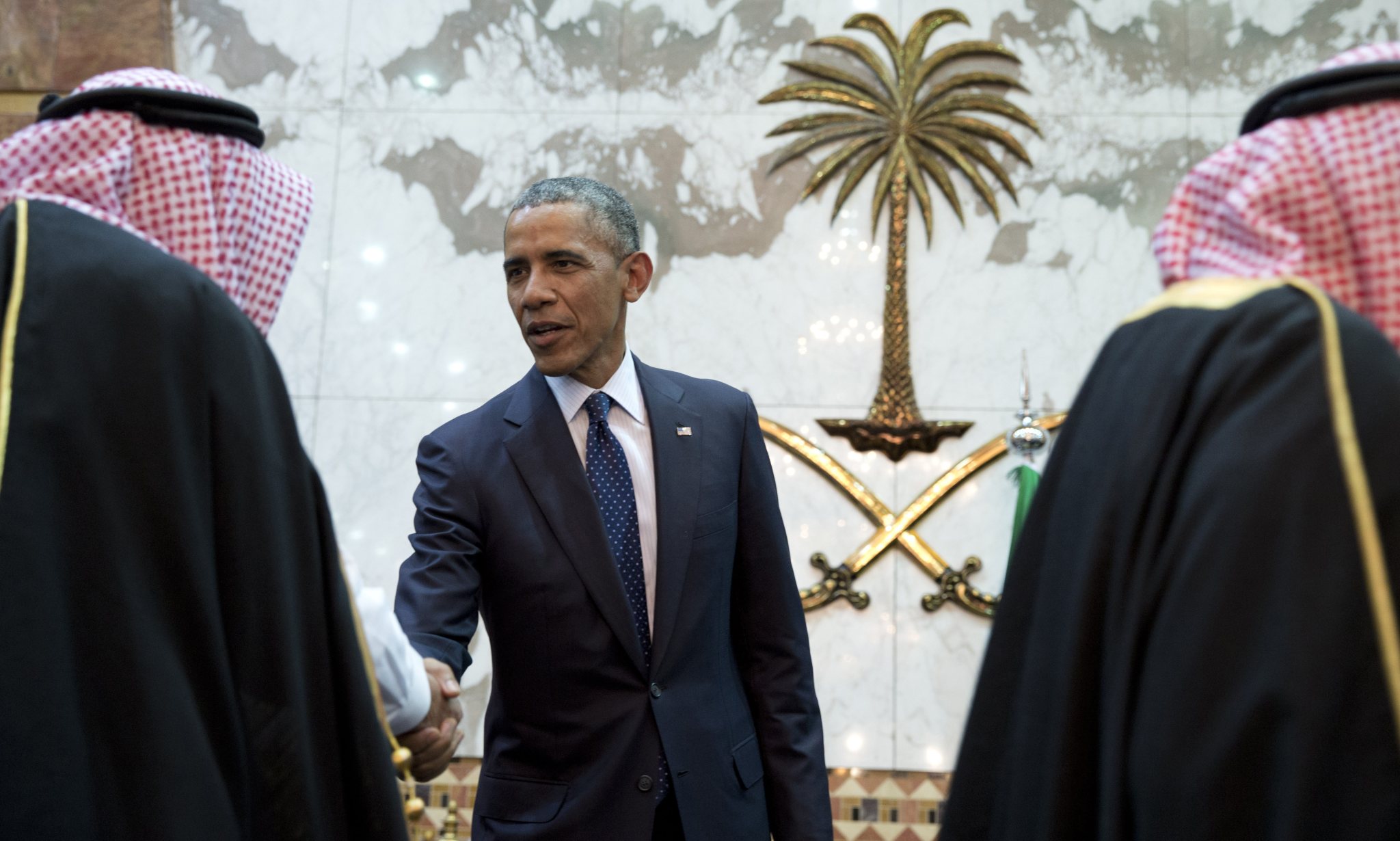
FILE- In this Jan. 27, 2015 file photo, President Barack Obama participates in a receiving line with the Saudi Arabian King, Salman bin Abdul Aziz, at Erga Palace in Riyadh, Saudi Arabia. Saudi Arabia and its allies are warning that legislation allowing the kingdom to be sued for the 9/11 attacks will have negative repercussions. The kingdom maintains an arsenal of tools to retaliate with, including curtailing official contacts, pulling billions of dollars from the U.S. economy, and enlisting its lockstep Gulf allies to scale back counterterrorism cooperation, investments and U.S. access to important regional air bases.(AP Photo/Carolyn Kaster, File)
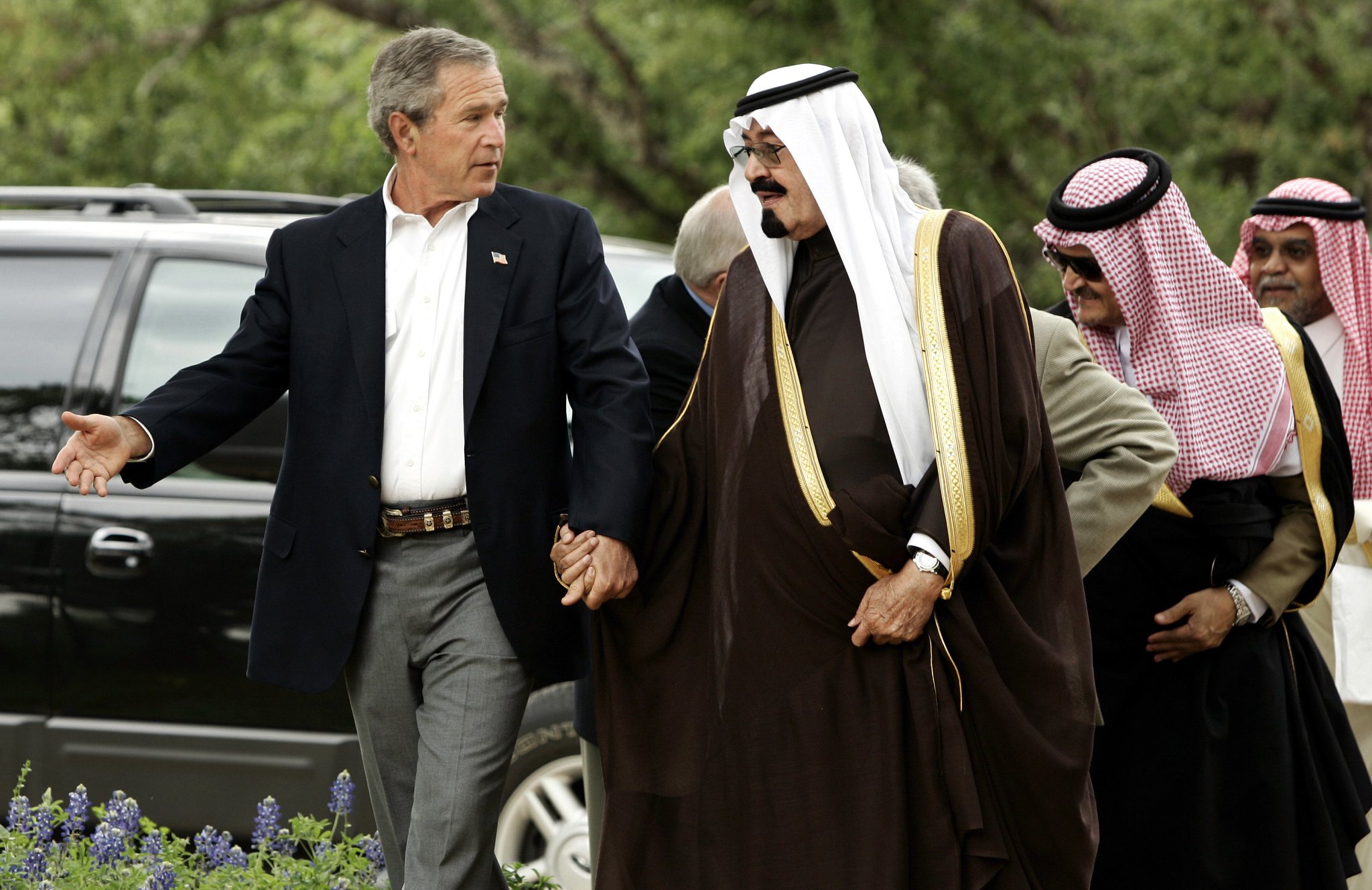
FILE - In this April 25, 2005 file photo, President George W. Bush greets Saudi Crown Prince Abdullah at his ranch in Crawford, Texas. Experts and those familiar with the longstanding U.S.-Saudi relationship say regardless of what happens with the 9/11 bill, it is unlikely the bilateral partnership will return to where it was under former President George W. Bush. Saudi Arabia and its allies are warning that legislation allowing the kingdom to be sued for the 9/11 attacks will have negative repercussions. The kingdom maintains an arsenal of tools to retaliate with, including curtailing official contacts, pulling billions of dollars from the U.S. economy, and enlisting its lockstep Gulf allies to scale back counterterrorism cooperation, investments and U.S. access to important regional air bases. (AP Photo/Gerald Herbert, File)
DUBAI, United Arab Emirates — Saudi Arabia and its allies are warning that U.S. legislation allowing the kingdom to be sued for the 9/11 attacks will have negative repercussions.
The kingdom maintains an arsenal of tools to retaliate with, including curtailing official contacts, pulling billions of dollars from the U.S. economy, and persuading its close allies in the Gulf Cooperation Council to scale back counterterrorism cooperation, investments and U.S. access to important regional air bases.
“This should be clear to America and to the rest of the world: When one GCC state is targeted unfairly, the others stand around it,” said Abdulkhaleq Abdullah, an Emirati Gulf specialist and professor of political science at United Arab Emirates University.
“All the states will stand by Saudi Arabia in every way possible,” he said.
When Saudi Arabia wanted to pressure Qatar to limit its support for the Muslim Brotherhood group in Egypt, it spearheaded an unprecedented withdrawal of Gulf Arab ambassadors from Doha in 2014 and essentially isolated the tiny gas-rich nation within the GCC.
When Sweden’s Foreign Minister Margot Wallstrom strongly criticized Saudi Arabia’s human rights record last year, the kingdom unleashed a fierce diplomatic salvo that jolted Stockholm’s standing in the Arab world and threatened Swedish business interests in the Gulf. Sweden eventually backpedaled.
On Wednesday, the Senate and House voted to override President Barack Obama’s veto of the Sept. 11 legislation, with lawmakers saying their priority wasn’t Saudi Arabia, but the 9/11 victims and their families.
Chas Freeman, former U.S. assistant secretary of defense for international security affairs and ambassador to Saudi Arabia during operation Desert Storm, said the Saudis could respond in ways that risk U.S. strategic interests.


