Study: Pregnancy seems safe for breast cancer survivors
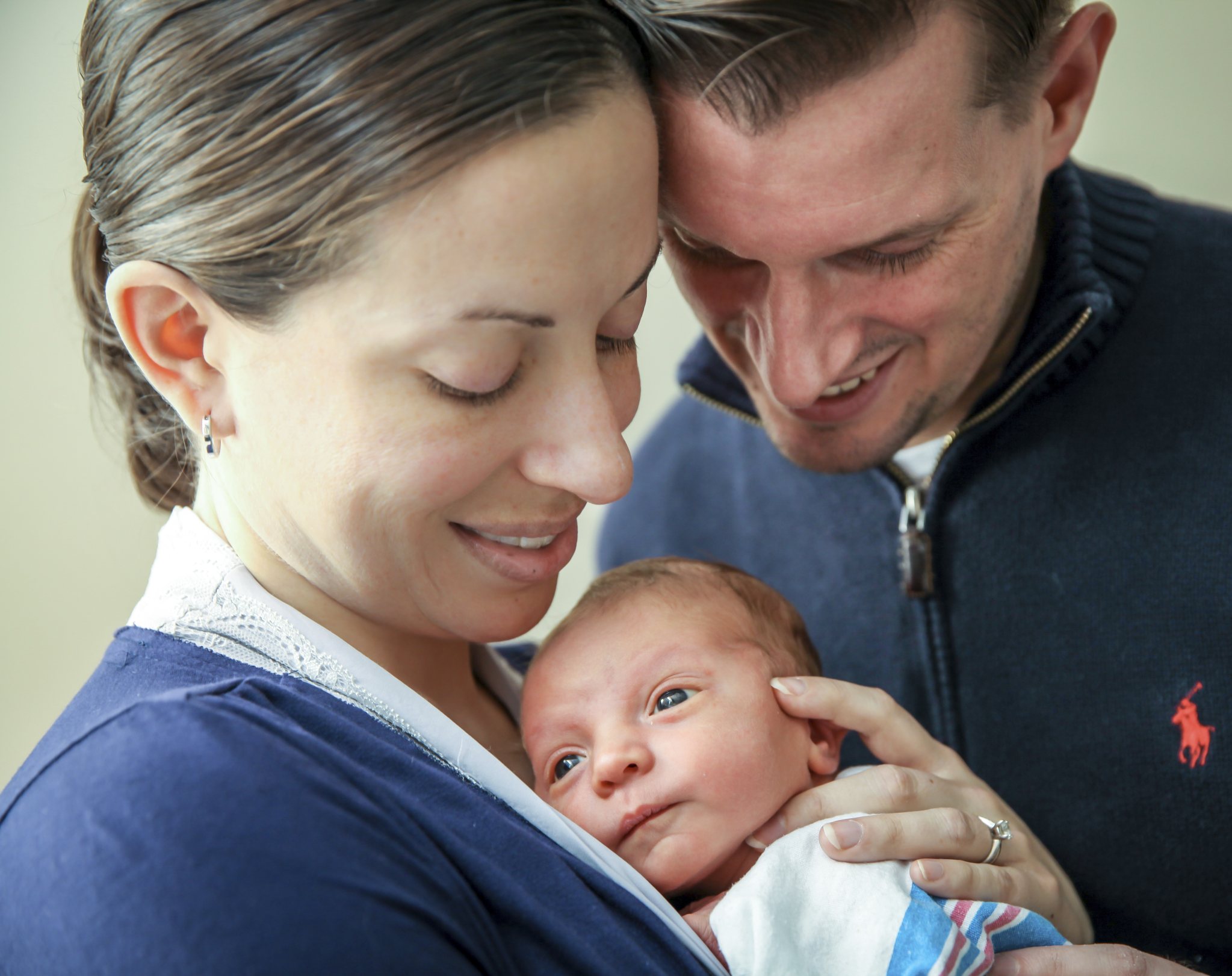
Sarah Murray and her husband, Tom, hold their son Owen. Sarah was only 29 when her breast cancer was diagnosed in 2013. (Associated Press)
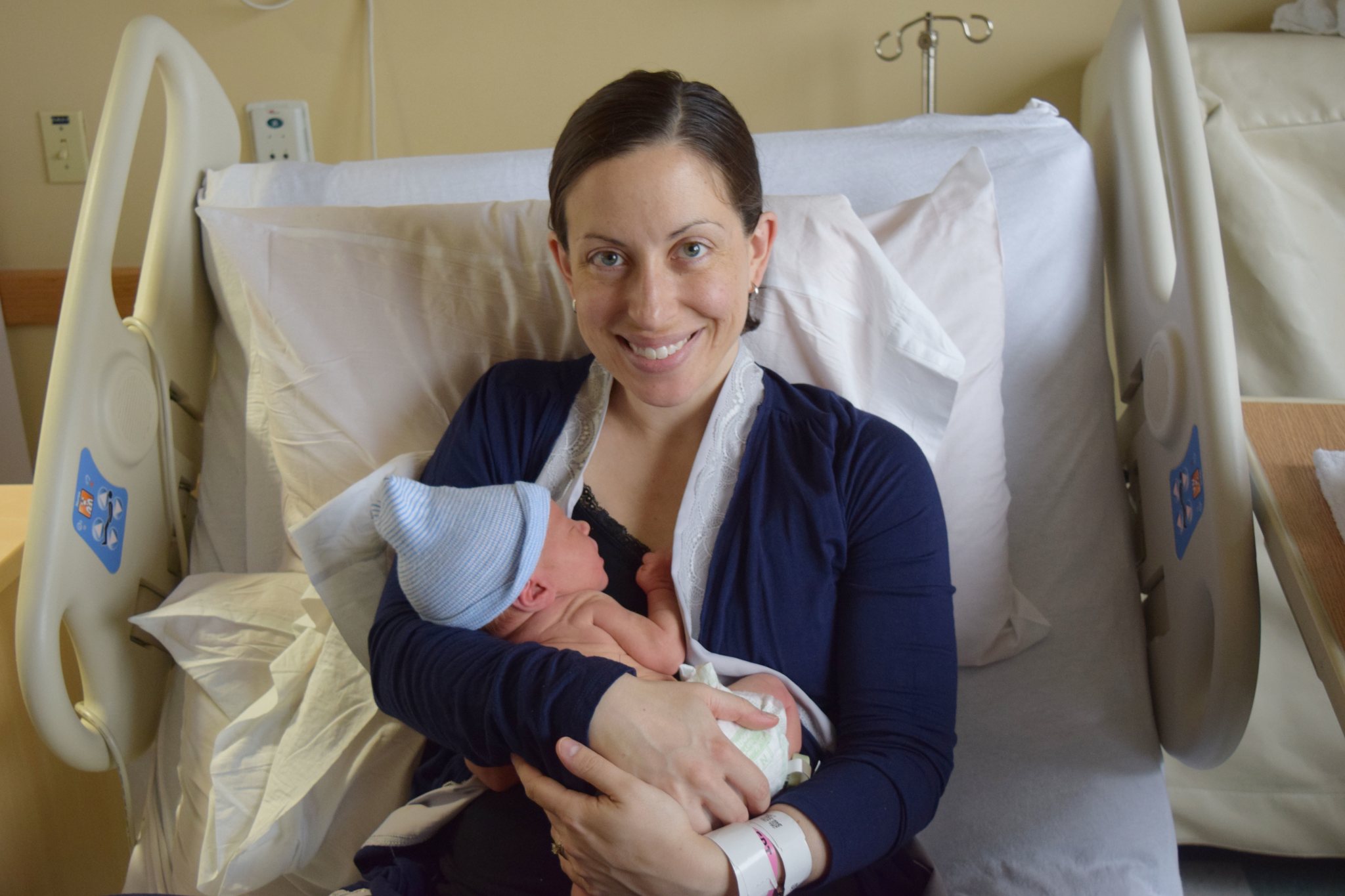
This Dec, 2016 photo provided by Tom Murray shows his wife, Sarah, and their newborn son, Owen, at the Bridgeport Hospital in Bridgeport, Conn. Sarah Murray is participating in research on whether it's safe for breast cancer survivors who want to get pregnant to temporarily suspend taking hormone-blocking drugs usually recommended for five years after initial treatment. She was only 29 and planning her wedding when her breast cancer was found in 2013. (Tom Murray via AP)
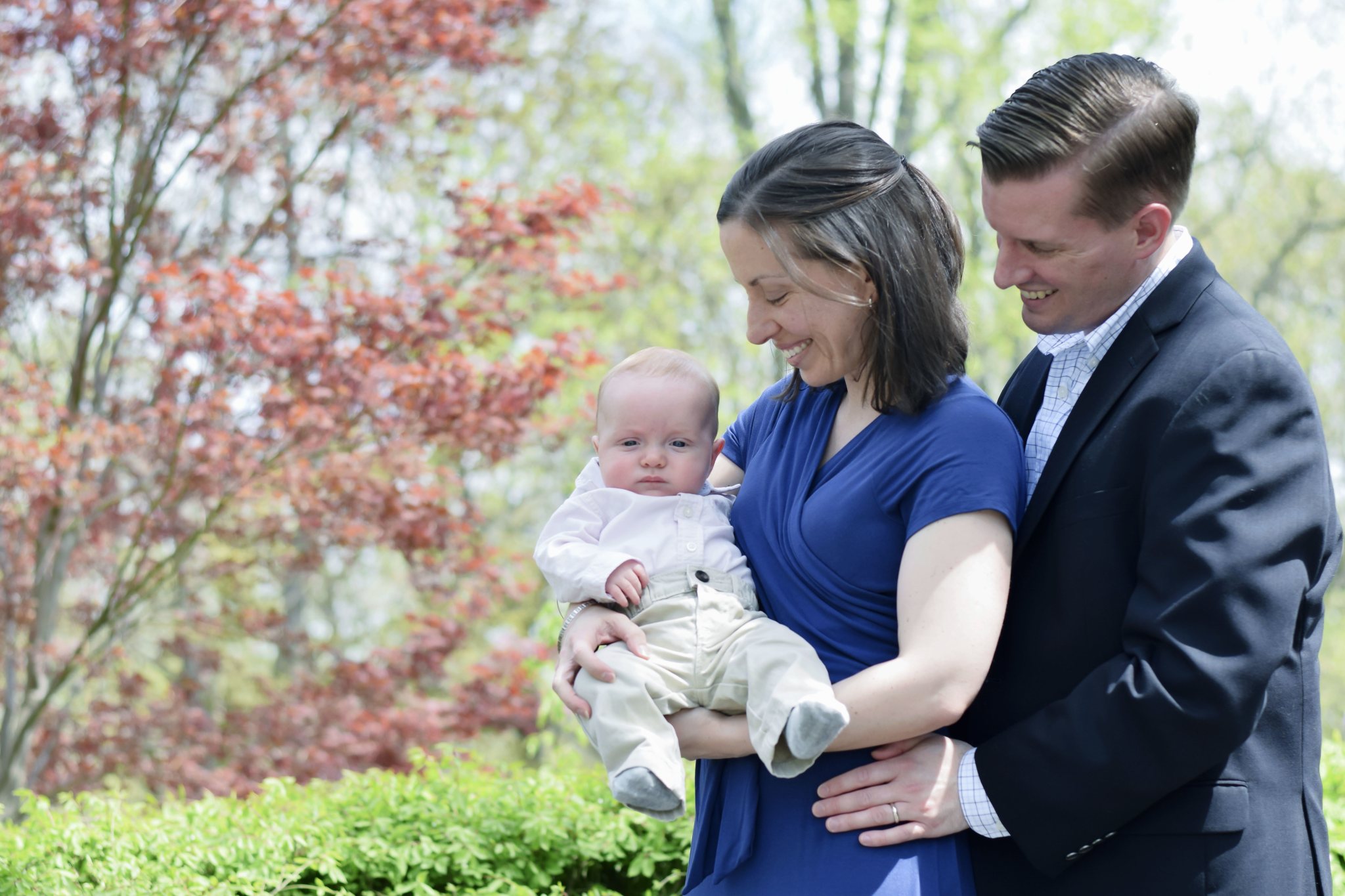
This April 29, 2017 photo provided by Dana J. Palmer shows Owen Murray with his parents, Sarah and Tom, for his baptism at the Egan Chapel of St. Ignatius Loyola on the Fairfield University campus in Fairfield, Conn. Sarah Murray is participating in research on whether it's safe for breast cancer survivors who want to get pregnant to temporarily suspend taking hormone-blocking drugs usually recommended for five years after initial treatment. She was only 29 and planning her wedding when her breast cancer was found in 2013. (Dana J. Palmer via AP)
A study gives reassuring news for breast cancer survivors who want to have children. Those who later became pregnant were no more likely to have their cancer come back than those who did not have a baby. It’s a big issue — the average age of moms has been rising in the United States, and more women are being diagnosed with breast cancer in their childbearing years. About 11 percent of new breast cancer cases in the U.S. are in women under 45. The study, done in Europe, is the largest so far on women whose cancers were fueled by hormones, which rise in pregnancy and theoretically, might spur a recurrence. The research involved more than 1,200 breast cancer survivors. More than half had tumors whose growth was fueled by estrogen. After treatment, 333 became pregnant, about two and a half years after their cancer diagnosis, on average. Researchers compared them to 874 other survivors, matched for tumor type and other things, who did not.
— Associated Press


