




Donald Trump’s performance in the final presidential debate will be remembered for a lot of reasons, but probably not for his particular attempts at foreign policy commentary, which were less conspicuous than his grumbling interruptions of his adversary, Hillary Clinton, and his apparent rejection of the norms of the American democratic process.
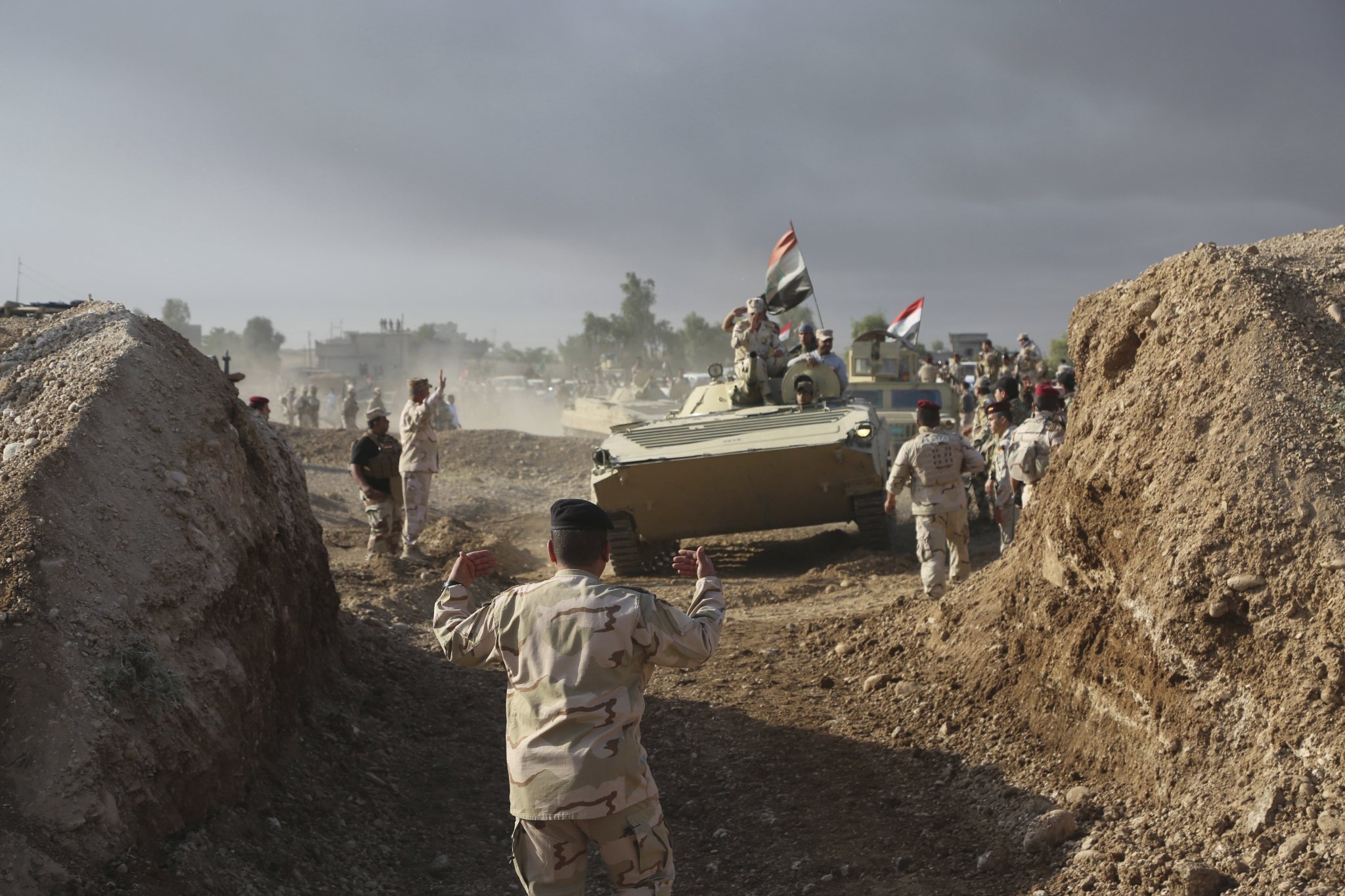
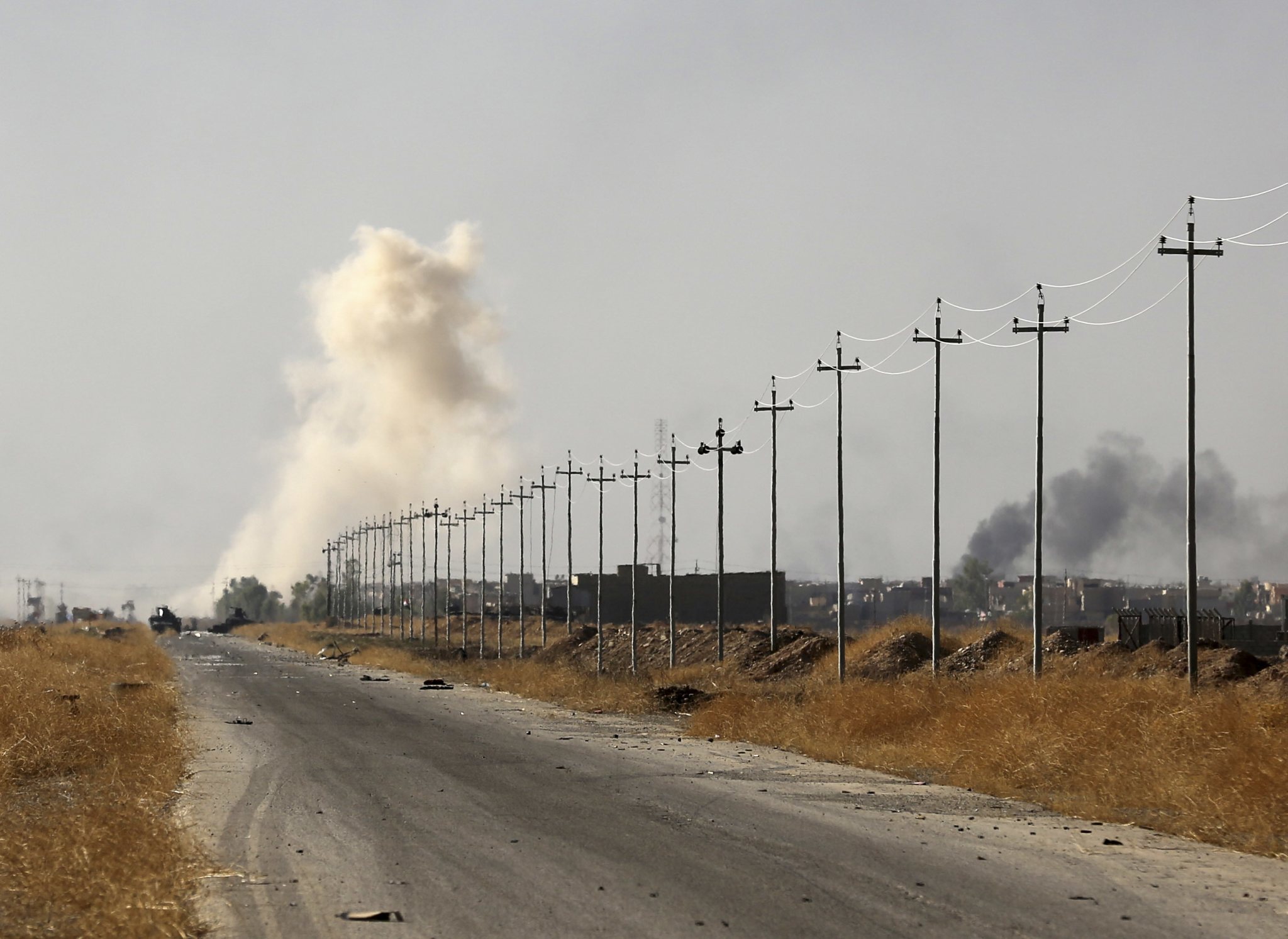
But consider his response when asked about Mosul, the Iraqi city that’s been under control of the Islamic State since the summer of 2014 and that is now the target of a ground offensive launched by the Iraqi government. The thrust of the question posed by debate moderator was whether — once the city is recaptured, as it is expected to be — U.S. troops should constitute some form of occupation force.
Here is the entirety of his response, interspersed with analysis:
“Let me tell you, Mosul is so sad. We had Mosul. But when she (Clinton) left, when she took everybody out, we lost Mosul. Now we’re fighting again to get Mosul. The problem with Mosul and what they wanted to do is they wanted to get the leaders of ISIS who they felt were in Mosul.
“About three months ago, I started reading that they want to get the leaders and they’re going to attack Mosul. Whatever happened to the element of surprise, OK? We announce we’re going after Mosul. I have been reading about going after Mosul now for about — how long is it, Hillary, three months? These people have all left. They’ve all left.”
Despite ignoring the real policy question at hand — what to do going forward — Trump starts off on relatively solid ground. He bangs the drum that other Republicans and neoconservatives have about the Obama administration’s withdrawal from Iraq, which its critics claim paved the way for the chaos that followed.
“The element of surprise. Douglas MacArthur, George Patton spinning in their graves when they see the stupidity of our country.”
And then he doubles down on the idea of a surprise attack with an amazing bit of hyperbole. Sure, it would be interesting to know what these famed American generals of yore would make of the “stupidity” of the present.
Whatever the case, the modern battlefield is vastly different from what it was more than half a century ago, and for Trump to assume otherwise reveals a great deal about his own capacity for strategic thinking.
“So we’re now fighting for Mosul, that we had. All she had to do was stay there, and now we’re going in to get it.
“But you know who the big winner in Mosul is going to be after we eventually get it? And the only reason they did it is because she’s running for the office of president and they want to look tough. They want to look good. He violated the red line in the sand, and he made so many mistakes, made all the mistakes. That’s why we have the great migration. But she wanted to look good for the election. So they’re going in.”
Trump clutches at tiny straws, making the absurd claim that the offensive, which has been in the works for months, was timed to help Clinton’s election campaign.
“But who’s going to get Mosul, really? We’ll take Mosul eventually. But the way — if you look at what’s happening, much tougher than they thought. Much, much tougher. Much more dangerous. Going to be more deaths that they thought.
“But the leaders that we wanted to get are all gone because they’re smart. They say, what do we need this for? So Mosul is going to be a wonderful thing. And Iran should write us a letter of thank you, just like the really stupid — the stupidest deal of all time, a deal that’s going to give Iran absolutely nuclear weapons. Iran should write us yet another letter saying thank you very much, because Iran, as I said many years ago, Iran is taking over Iraq, something they’ve wanted to do forever, but we’ve made it so easy for them.
“So we’re now going to take Mosul. And do you know who’s going to be the beneficiary? Iran. Oh, yeah, they’re making — I mean, they are outsmarting — look, you’re not there, you might be involved in that decision. But you were there when you took everybody out of Mosul and out of Iraq. You shouldn’t have been in Iraq, but you did vote for it. You shouldn’t have been in Iraq, but once you were in Iraq, you should have never left the way.”
The day after the debate, the Iraqi government announced that the Mosul offensive was moving far more swiftly than expected. Still, there are obvious reasons for caution, including concerns for the safety of Mosul’s civilian population as well as over the Islamic State’s capacity for hideous terrorist attacks and suicide bombings.
And Iran’s strong position in Iraq is a direct consequence of the U.S. invasion in 2003, which toppled a doggedly anti-Iranian regime and enabled the rise of a Shiite-dominated government in Baghdad. And this is an invasion that, contrary to what Trump says at the very end, the Republican nominee was for before he was against it.

