Pilots, air traffic controllers on schedule to use text messaging by end of the year
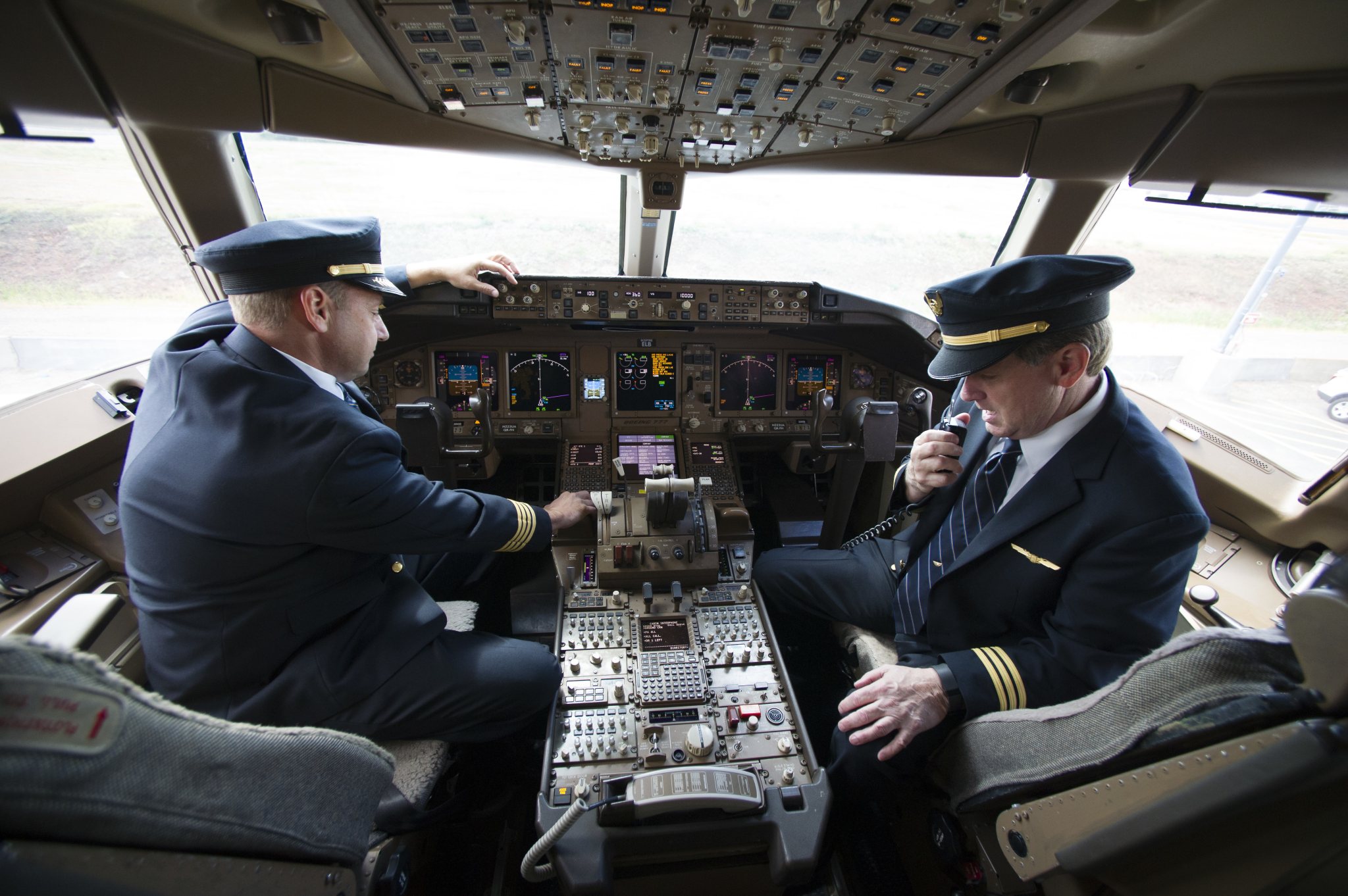
United Airlines Capt. Tommy Holloman, left, and Capt. Chuck Stewart demonstrate radio communications, right, and the Data Communications Data Comm technology, left, from the cockpit of an United Airlines Boeing 777 at Dulles International Airport Air Traffic Control Tower in Sterling, Va., Tuesday, Sept. 27, 2016. Data Comm gives air traffic controllers and pilots the ability to transmit flight plans, clearances, instructions, advisories, flight crew requests, and reports via a digital message service. (AP Photo/Cliff Owen)
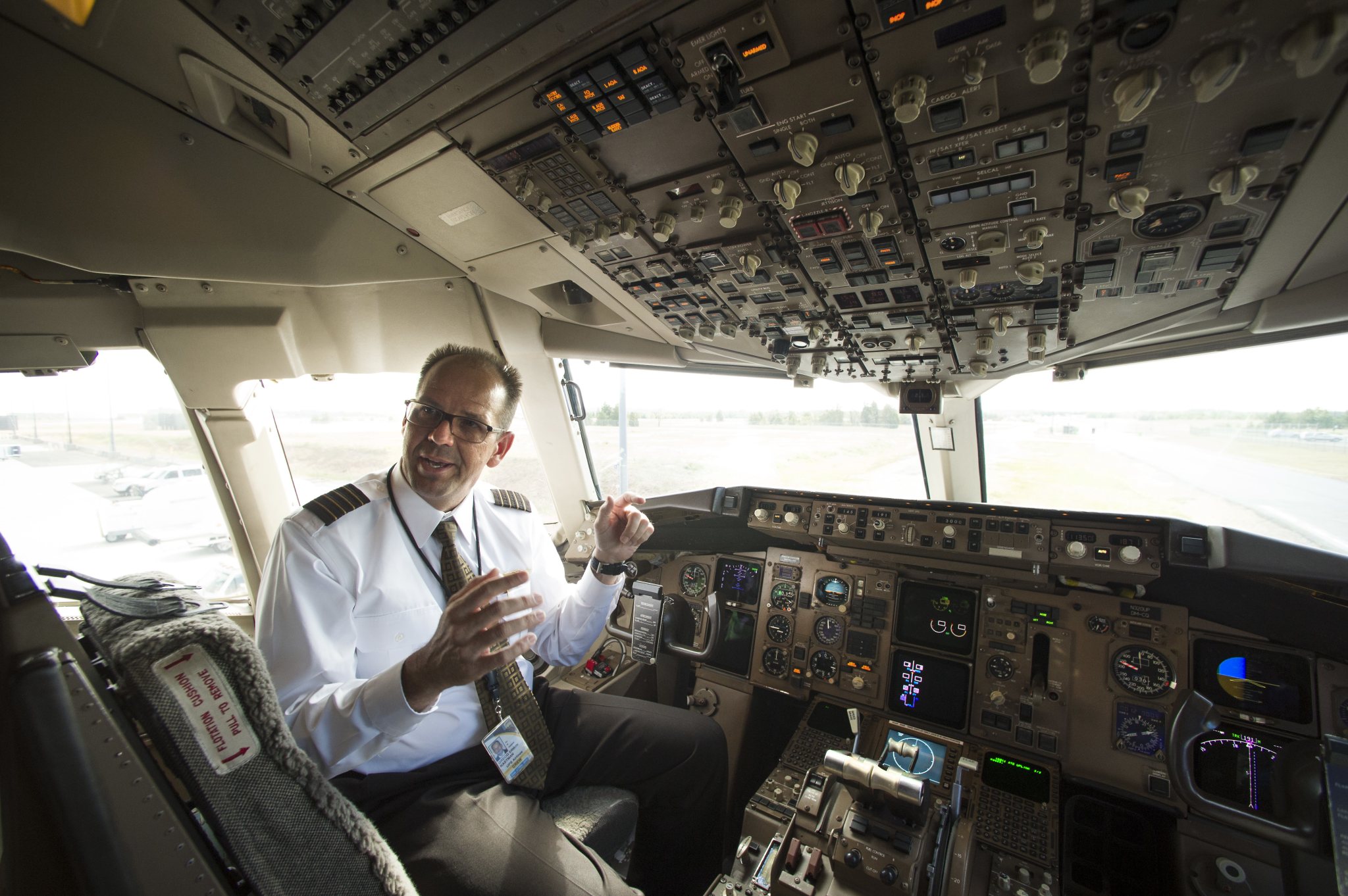
UPS Capt. Christian Kast talks about the Data Communications Data Comm technology from the cockpit of an UPS Boeing 767-300F aircraft at Dulles International Airport Air Traffic Control Tower in Sterling, Va., Tuesday, Sept. 27, 2016. Data Comm gives air traffic controllers and pilots the ability to transmit flight plans, clearances, instructions, advisories, flight crew requests, and reports via a digital message service. (AP Photo/Cliff Owen)
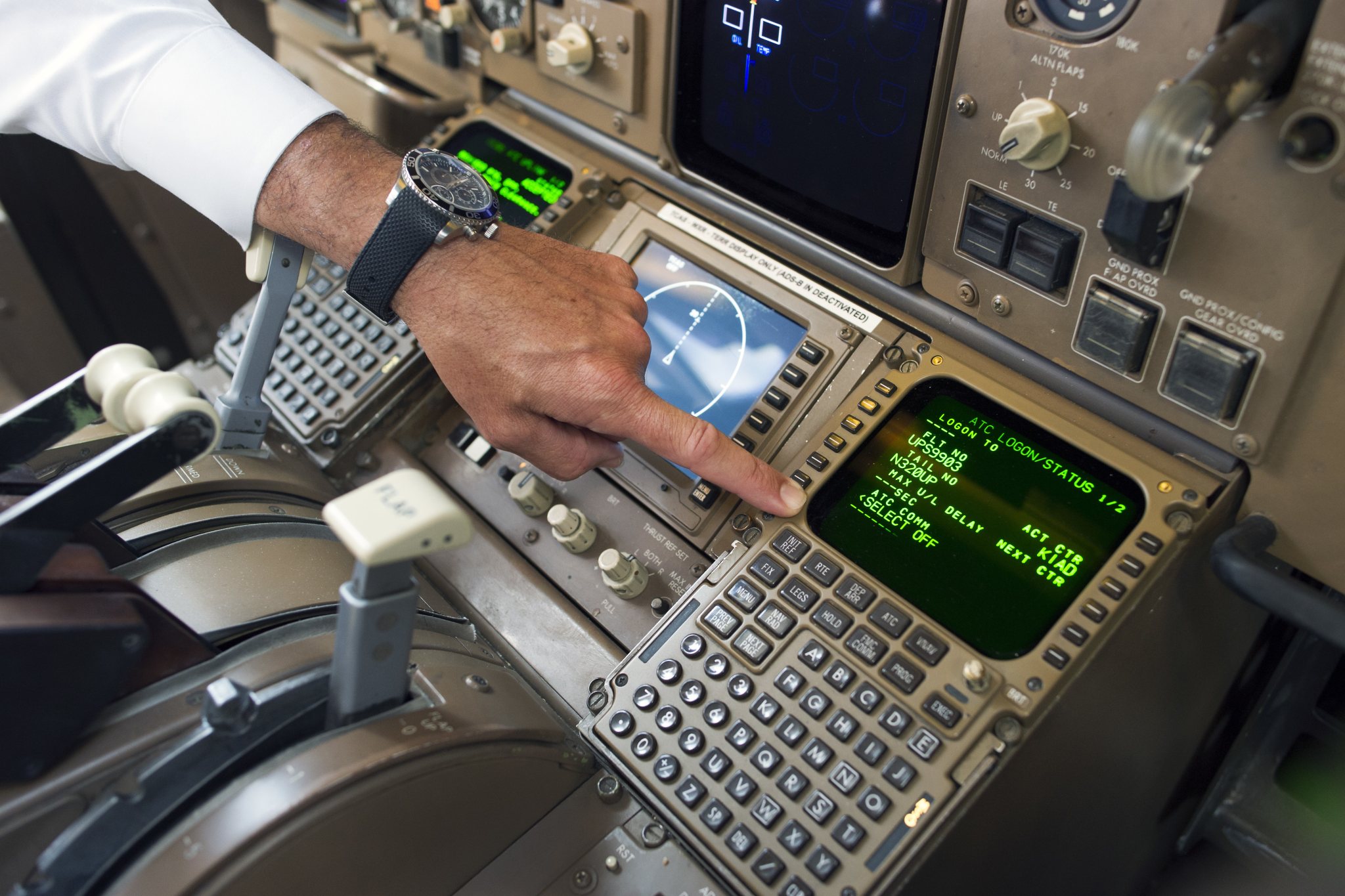
UPS Capt. Christian Kast points to the Data Communications Data Comm technology in the cockpit of an UPS Boeing 767-300F aircraft at Dulles International Airport Air Traffic Control Tower in Sterling, Va., Tuesday, Sept. 27, 2016. Data Comm gives air traffic controllers and pilots the ability to transmit flight plans, clearances, instructions, advisories, flight crew requests, and reports via a digital message service. (AP Photo/Cliff Owen)
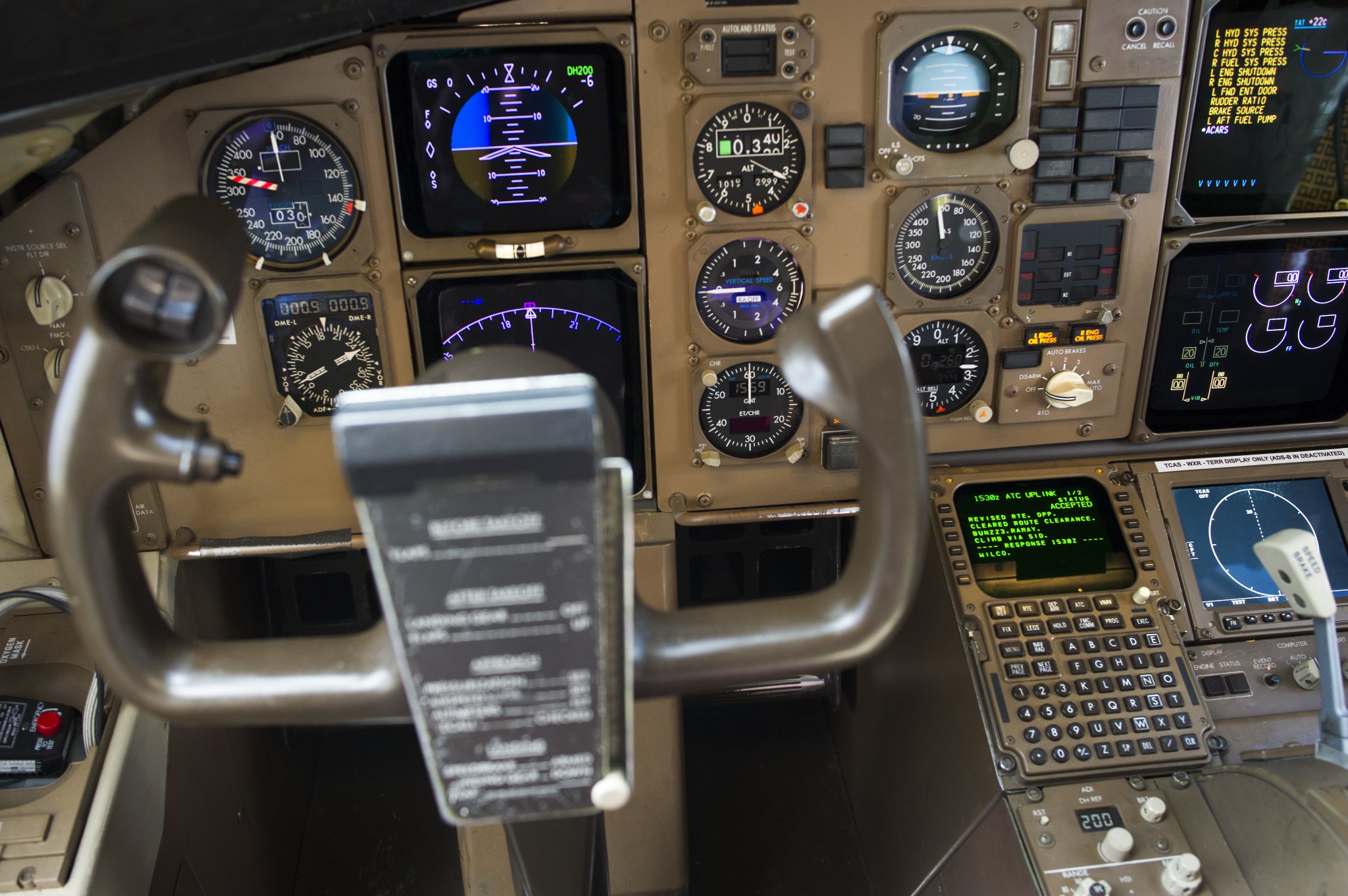
Data Communications Data Comm technology, lower right, is seen in the cockpit of an UPS Boeing 767-300F aircraft at Dulles International Airport Air Traffic Control Tower in Sterling, Va., Tuesday, Sept. 27, 2016. Data Comm gives air traffic controllers and pilots the ability to transmit flight plans, clearances, instructions, advisories, flight crew requests, and reports via a digital message service. (AP Photo/Cliff Owen)
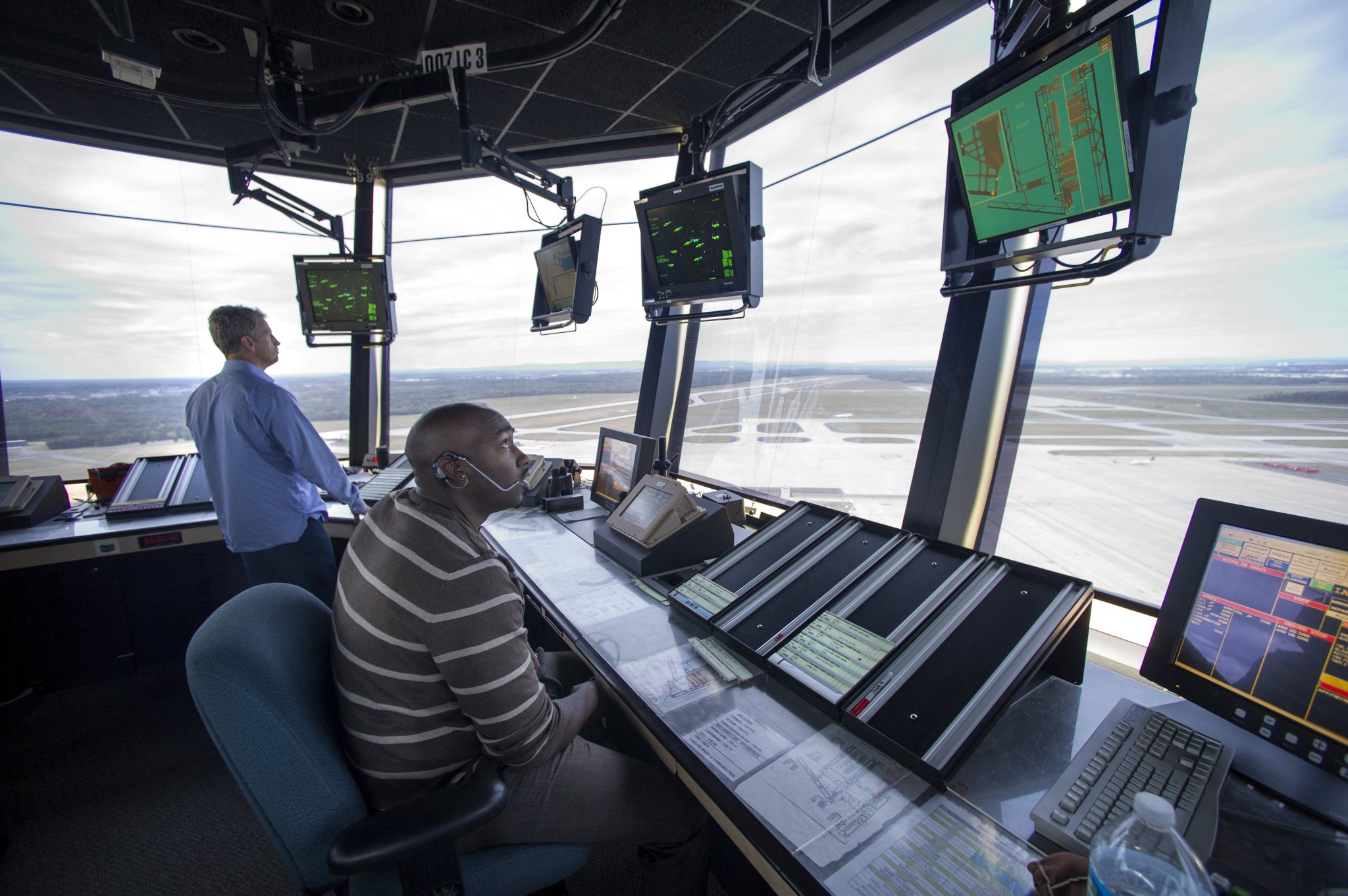
FAA Air Traffic Controllers work in the Dulles International Airport Air Traffic Control Tower in Sterling, Va., Tuesday, Sept. 27, 2016. Data Comm is now operational at the Dulles International Airport and gives air traffic controllers and pilots the ability to transmit flight plans, clearances, instructions, advisories, flight crew requests, and reports via a digital message service. (AP Photo/Cliff Owen)
CHANTILLY, Va. — Airline pilots and air traffic controllers are on schedule to switch to text communications at most of the nation’s busiest airports by the end of the year, a milestone that holds the potential to reduce delays, prevent errors and save billions of dollars in fuel cost, says the Federal Aviation Administration.
Controllers and pilots will still use their radios for quick exchanges like clearance for takeoff and in emergencies and situations where time is critical. But the nation’s air traffic system is gradually shifting to text messages for a majority of flying instructions.
That’s a big advantage, say government and industry officials, because up until now longer and more complicated instructions like a route change for pilots of planes waiting to take off are communicated verbally, with each word laboriously spelled out in the radio alphabet. For example, HARD becomes “Hotel Alpha Romeo Delta.” Pilots have to write down the directions as the controller reads them, then read them back, also spelling out each word. If there is a mistake, the controller reads the directions back to the pilot again, and so on. Even when there are no mistakes, the process can eat up valuable minutes.
If controllers want to reroute planes around a thunderstorm, they have to contact each plane by radio to relay instructions. With dozens of planes waiting, the process can take 30 minutes or longer.
With the new system, Data Comm, a controller can type a few instructions into a computer, tap a key and send the message to the flight management computers. Pilots read the information on cockpit display screens and can accept it by pushing a button.
Typing errors are always a risk with text messaging, but officials said the system has built-in safeguards that cause it to reject messages with certain errors.


