


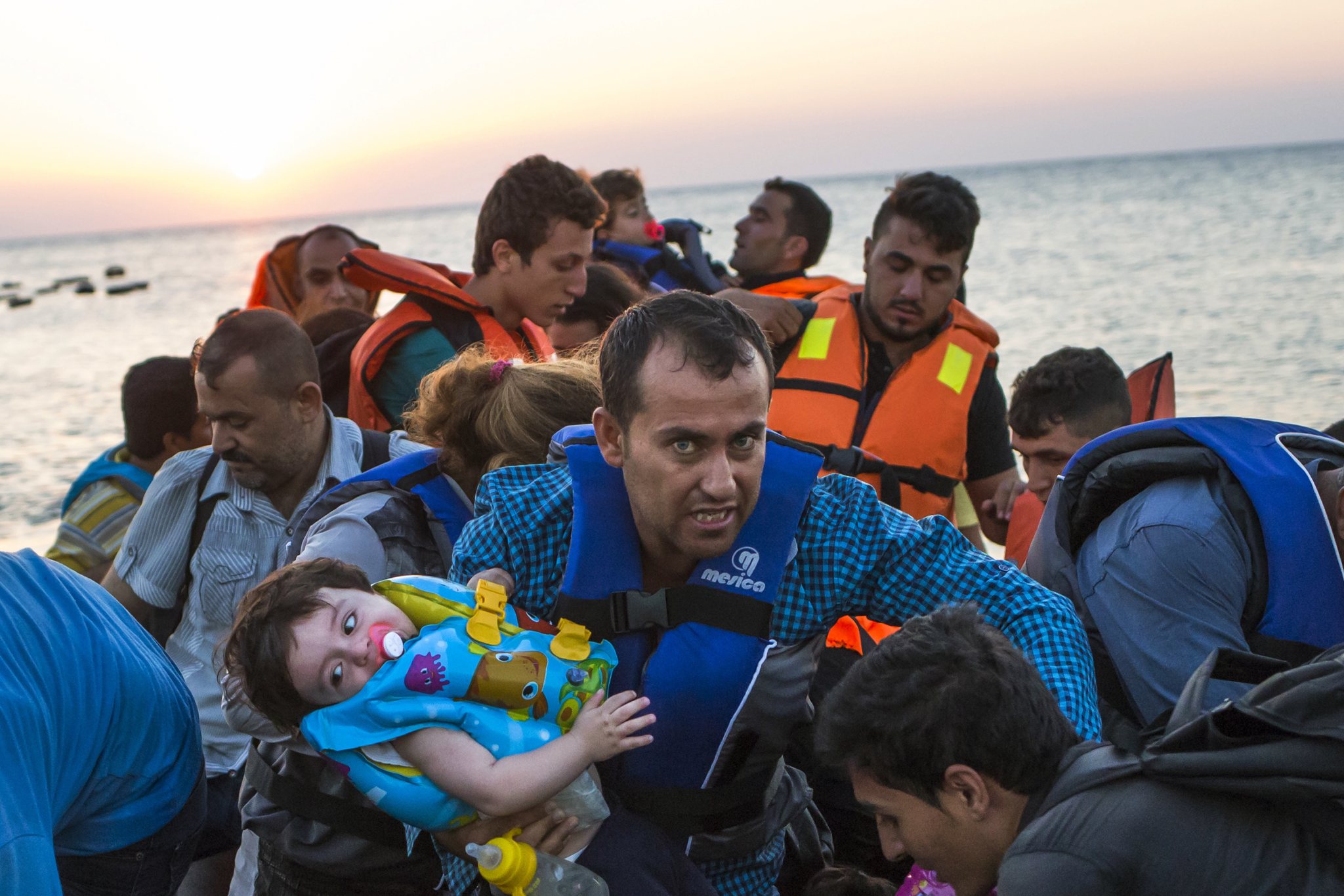
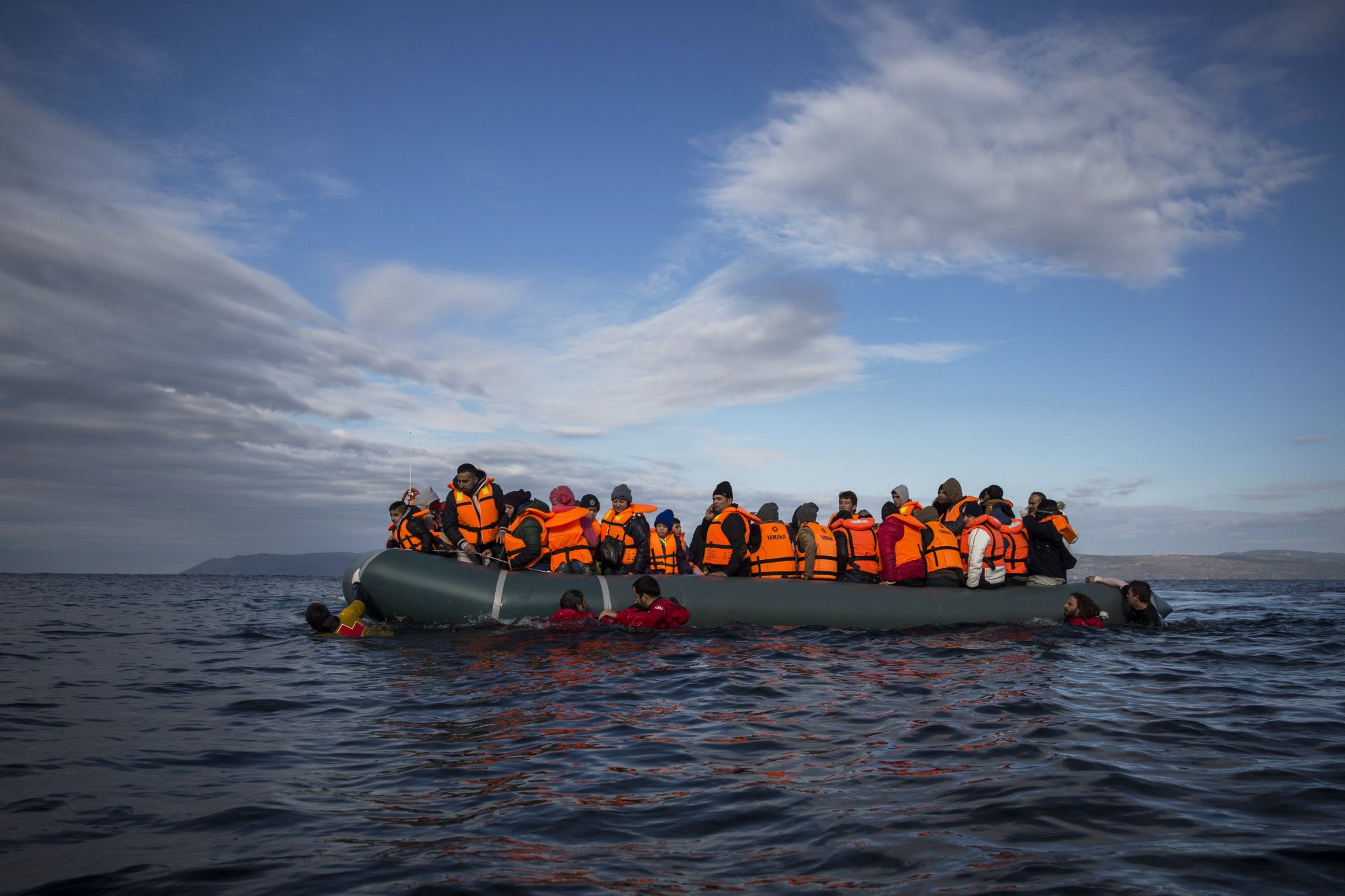


UNITED NATIONS — World leaders on Monday approved a declaration aimed at providing a more coordinated and humane response to the refugee crisis that has strained resources and sparked divisions from Africa to Europe.
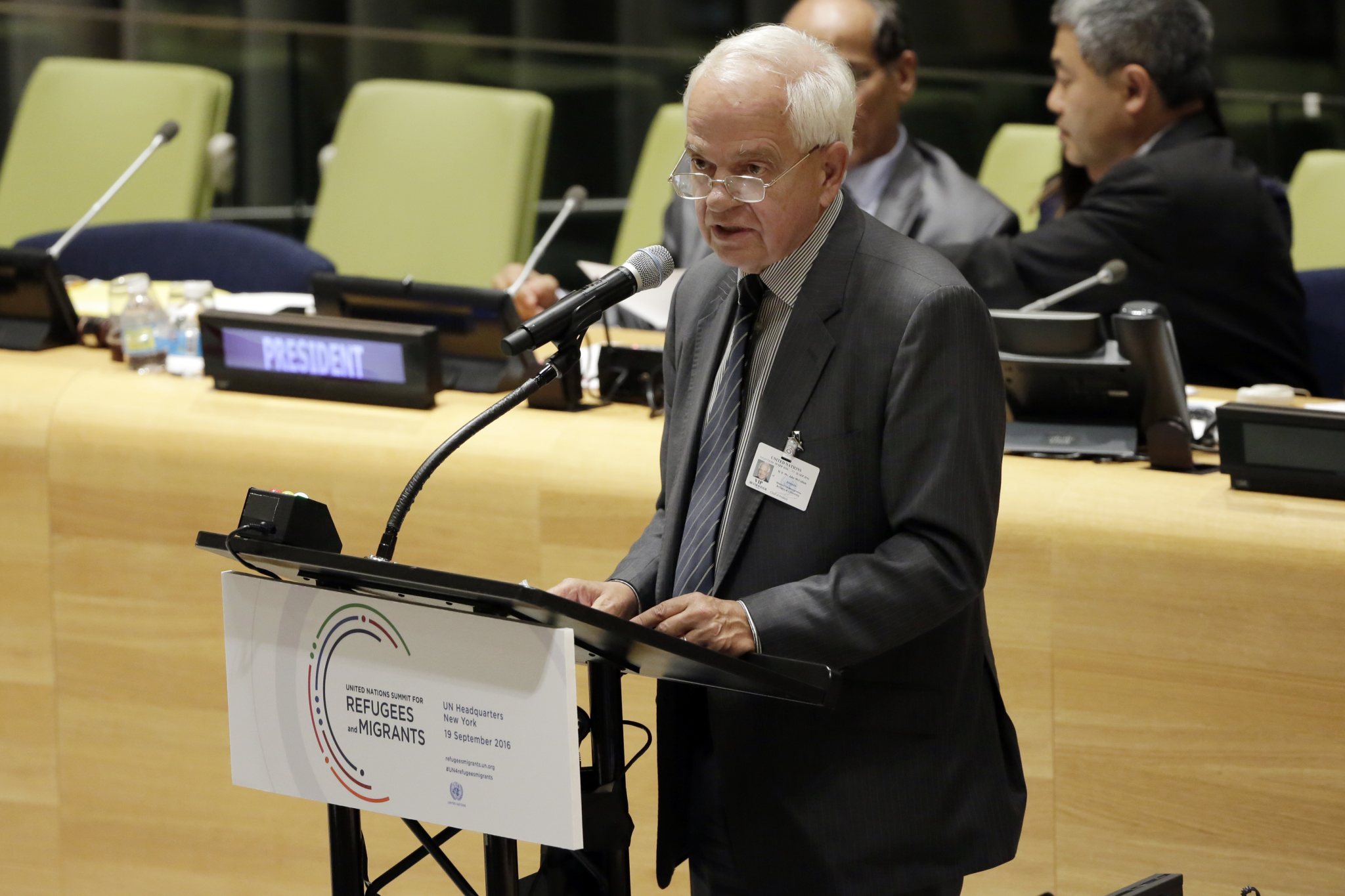
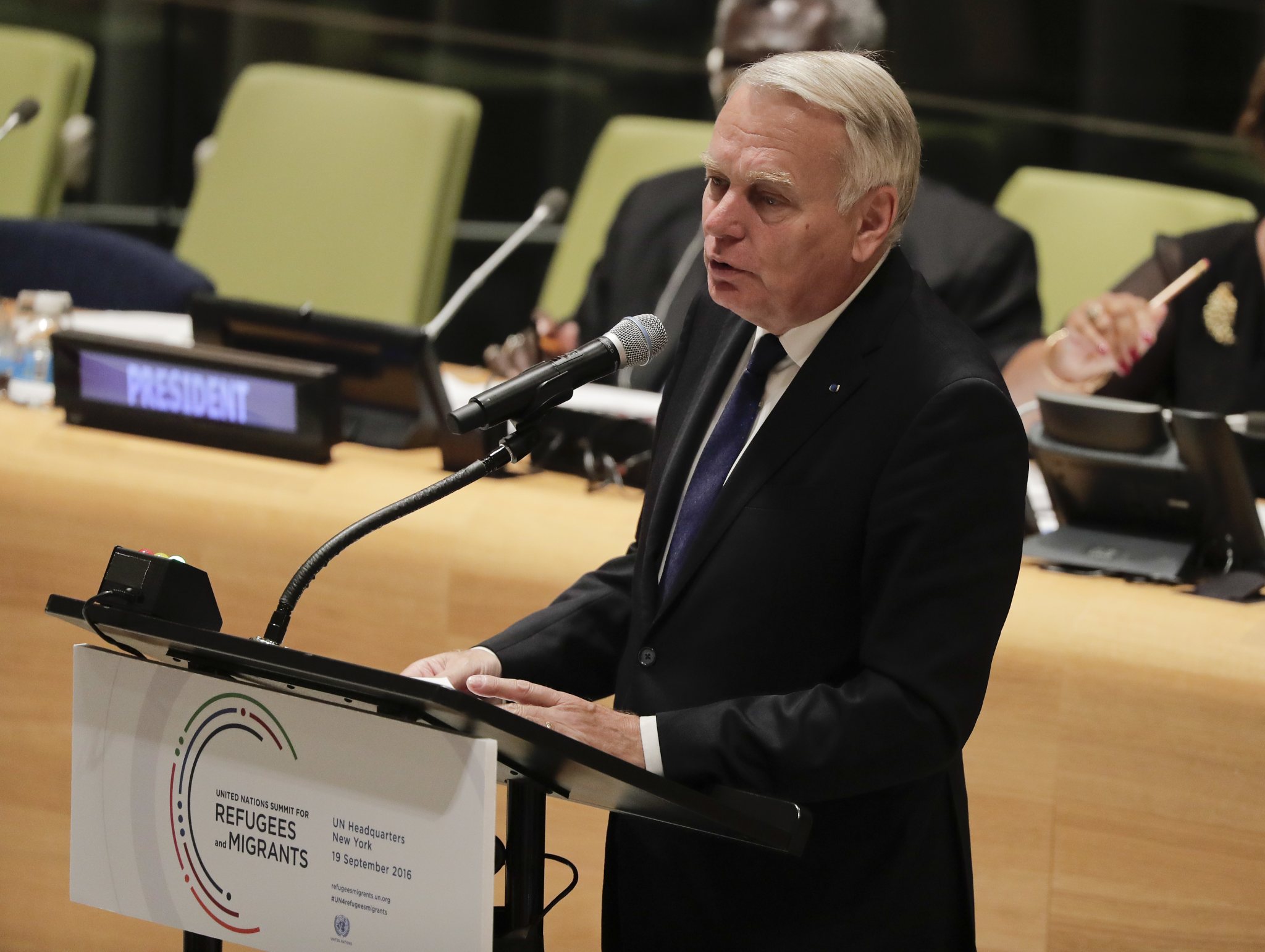
The issue of what to do about the world’s 65.3 million displaced people took center stage at the U.N. General Assembly with leaders from the 193 member states taking part in the first-ever summit on Addressing Large Movements of Refugees and Migrants.
Advocacy groups worried that the New York Declaration on Migrants and Refugees — an outcome document that contains no concrete commitments and is not legally binding — falls short of what is needed, while U.N. Secretary-General Ban Ki-moon, himself a refugee during the Korean War, hailed it as historic.
“Today’s summit represents a breakthrough in our collective efforts to address the challenges of human mobility,” Ban said.
Around the world, there are currently about 21.3 million refugees, 3.2 million asylum seekers, and 40.8 million migrants, according to the U.N. Refugee Agency. The agency defines refugees as people forced to flee due to armed conflict or persecution, while migrants choose to move in search of a better life.
Philippe Bolopion, deputy director of global advocacy for Human Rights Watch, said the international community still had a long way to go in dealing with the crisis.
“I would say if you measure this document by what is at stake here, it certainly falls short of the mark. We’re facing an historic crisis and the response is not historic,” Bolopion said on the sidelines of the meeting. He added that in many areas refugee protections were backsliding with a growing number of countries trying to turn back refugees in violation of international law.
The declaration seeks to standardize responses to refugee situations and provide better education prospects for the children who make up over half of the world’s refugees.
It also looks to improve working opportunities for refugees who are now spending nearly 20 years in exile on average.
There are also plans for a campaign to combat xenophobia.
All of this may prove an uphill struggle at a time when refugees and migrants have become a divisive issue in Europe and the United States.
More concrete progress is expected at a follow-up summit today called by President Barack Obama, where at least 45 countries are expected to make pledges that are in line with U.S. goals of increasing humanitarian aid by $3 billion, doubling resettlement and increasing access to education for 1 million youngsters and access to employment for another million of the displaced.

